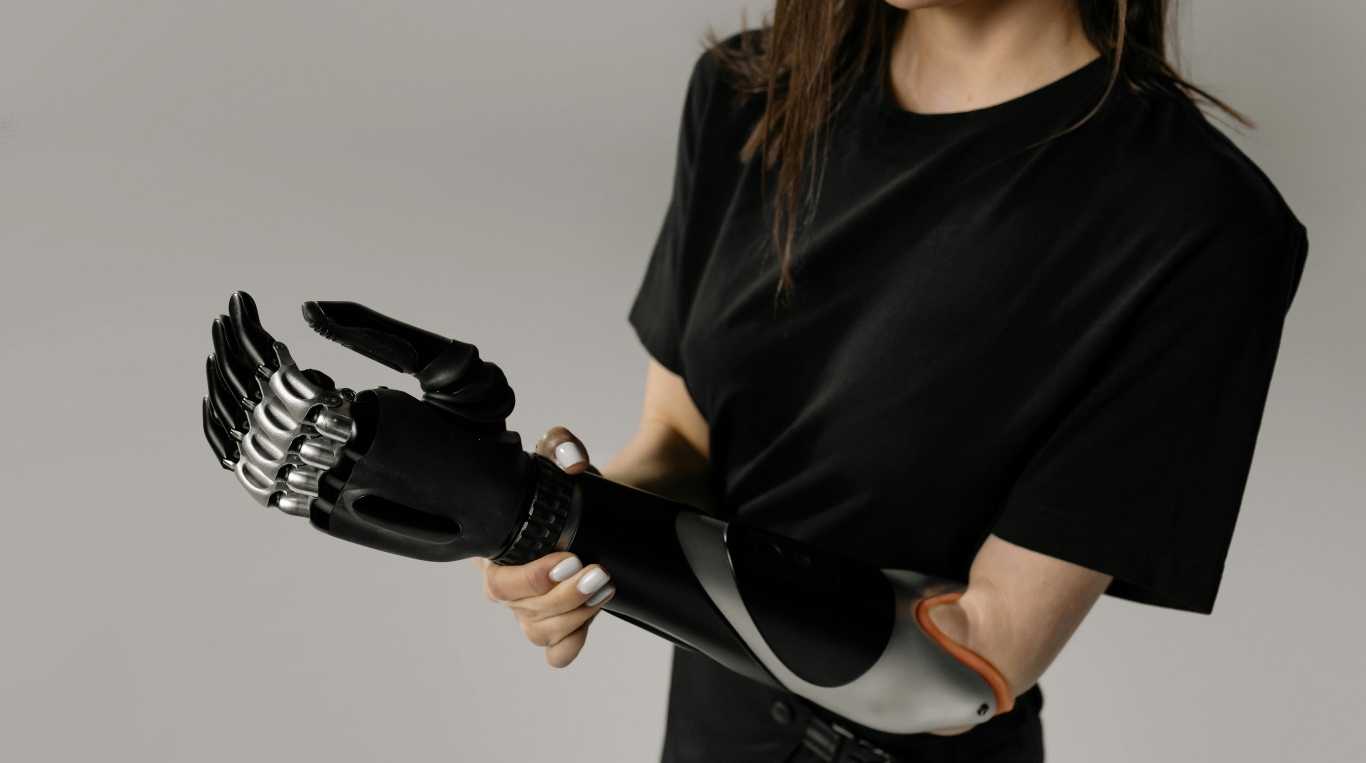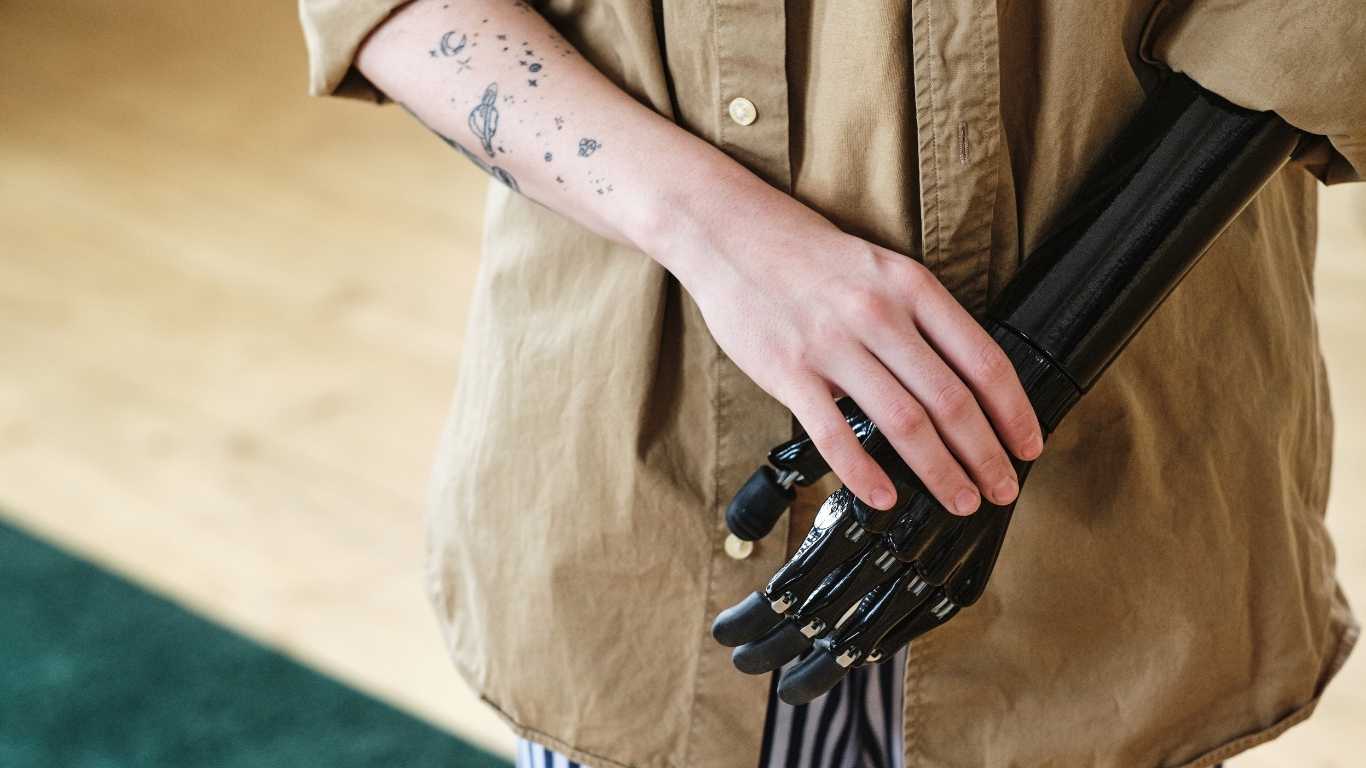

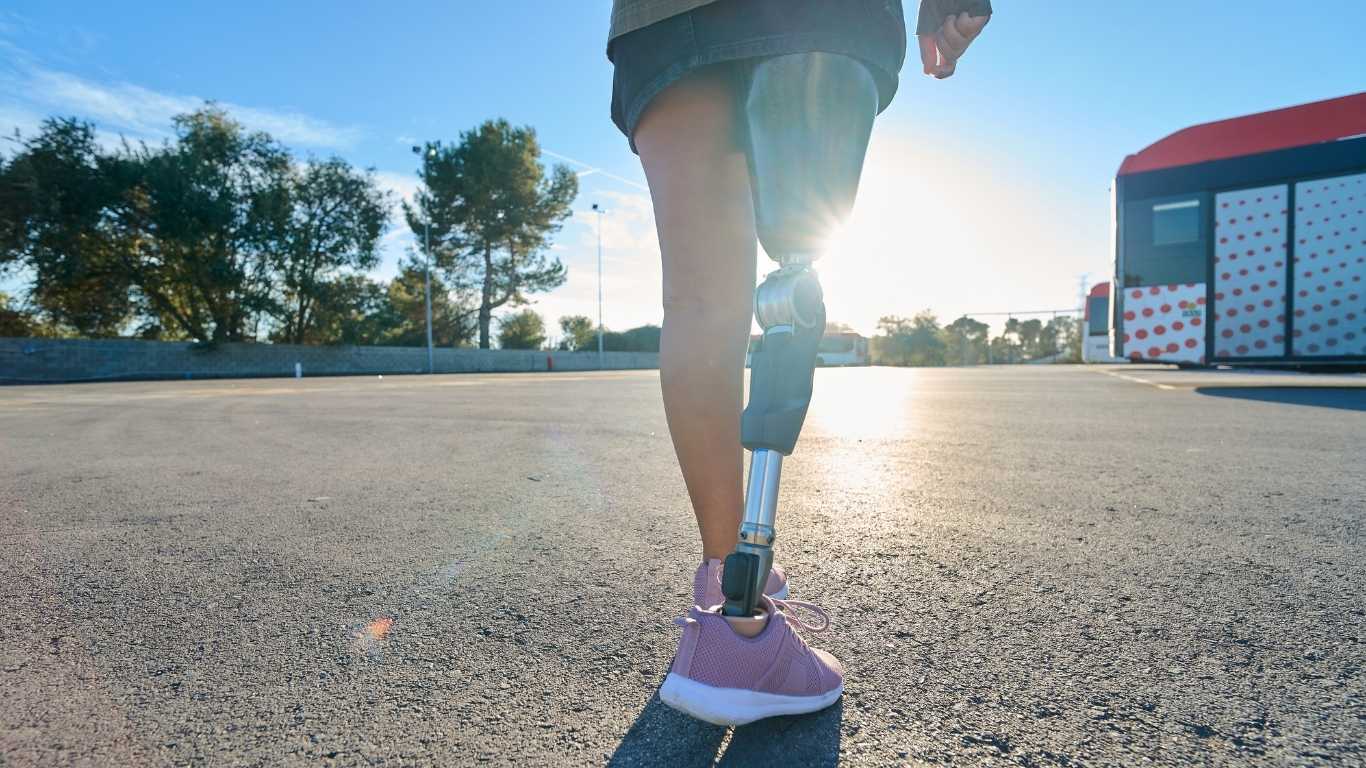
Prosthetic legs below the knee, known as transtibial prosthetics, replace the lower leg and foot after an amputation below the knee joint while keeping the natural knee intact for improved mobility and balance. These prosthetic leg types incorporate various below knee prosthetic leg designs tailored to different activity levels, from everyday walking to athletic pursuits, helping users regain independence and enhance their quality of life. Exploring the types of prosthetic legs below the knee reveals options that prioritize comfort, durability, and natural movement through advanced materials and technologies.
Understanding Below Knee Amputations and Prosthetics
Below knee amputations often result from trauma, diabetes, vascular diseases, or congenital conditions, offering advantages like lower energy use, about 25% less than above-knee prosthetics, and reduced strain on the remaining joints. A standard below knee prosthetic leg includes a custom-fitted socket that hugs the residual limb, a supportive pylon as the structural shank, a prosthetic foot for ground contact, and suspension systems such as liners, pins, or vacuum seals to keep everything secure during motion. Below knee prosthetic leg designs emphasize lightweight components like carbon fiber, titanium, and composites to cut down on fatigue, with sockets featuring total surface bearing or sub-ischial styles for all-day comfort without pressure points.
These prosthetic leg types shine in their ease of use, allowing quicker donning and doffing compared to higher amputations. Modern versions often add sensors that adapt to the user’s gait, making them versatile for both sedentary lifestyles and active routines, ultimately promoting better long-term health by minimizing compensatory issues in the hips or back.
Main Types of Prosthetic Legs Below Knee
The types of prosthetic legs below the knee are grouped by their core structure, technology, and intended use, with each below knee prosthetic leg design addressing unique user requirements for stability, energy return, or visual appeal.
Conventional prosthetic legs: below the knee form the basic prosthetic leg types, built with a straightforward socket, pylon, and foot setup using minimal moving parts for reliability and affordability. Made from plastics, aluminum, or entry-level composites, they suit low-activity users at K1-K2 levels, focusing on steady walking on flat ground. A popular foot option here is the SACH, Solid Ankle Cushion Heel, which uses a soft heel wedge to absorb impacts while keeping the ankle fixed for dependable support during routine steps.
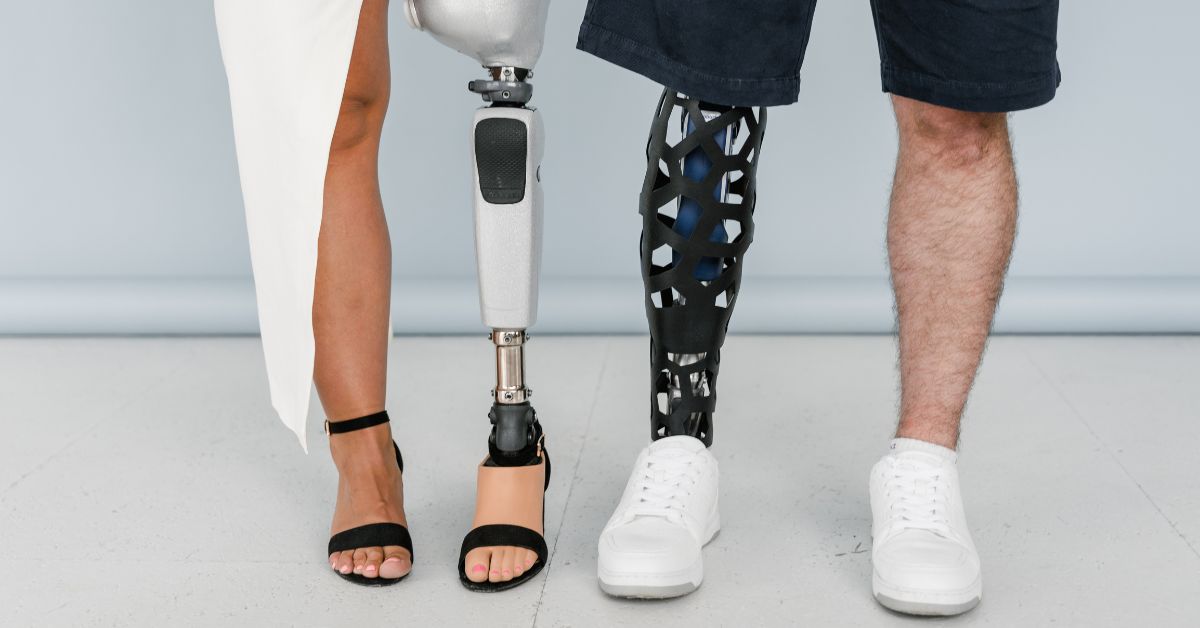
Endoskeletal prosthetic legs: below knee feature an internal pylon of metal or carbon fiber wrapped in a soft cosmetic foam shell that resembles a real leg’s shape and flex. As modular prosthetic leg types, they allow easy swaps of feet or sockets, customizing below knee prosthetic leg designs to fit evolving needs. Lighter than bulkier alternatives, they support moderate daily activities and come with skin-matched covers for a discreet look.
Exoskeletal prosthetic legs: below knee rely on a tough, single-piece outer shell that serves as the main load-bearing structure, skipping internal frames for superior strength in demanding settings. These prosthetic leg types handle heavy impacts well, making them a solid choice for tough jobs, though they can feel heavier and less sleek than other options. The integrated design combines pylon and foot into one durable laminate unit.
Read more: How Do Prosthetic Arms Work?
Advanced Prosthetic Leg Types for Active Users
Higher-activity users at K3-K4 levels benefit from dynamic prosthetic leg types that boost performance through innovative tech in below knee prosthetic leg designs.
Dynamic response prosthetic legs below knee employ carbon fiber blades or springs in the foot to capture energy during heel strike and release it at toe-off, mimicking a healthy ankle’s push. These prosthetic leg types ease stress on the opposite leg and promote smoother, faster walking or even light jogging. Standouts like the Flex-Foot or Pro-Flex series adjust response based on pace and surface, ideal for those wanting a more energetic stride.
Microprocessor-controlled prosthetic legs below knee, while less common than above-knee models, use built-in sensors and accelerometers to monitor gait in real time, tweaking stance and swing for stability on stairs, ramps, or rough paths. As sophisticated prosthetic leg types, they pair with hydraulic ankles for stumble prevention and often link to apps for performance tracking, though they need regular charging.
Hydraulic and pneumatic prosthetic legs below knee manage ankle and knee flexion with fluid or air resistance, delivering fluid control over speed changes and superior shock handling. These below knee prosthetic leg designs excel on varied terrains, with carbon fiber enhancements adding lightness and energy storage for efficient motion.
Specialized Below Knee Prosthetic Leg Designs
Certain prosthetic leg types target specific scenarios, expanding below knee prosthetic leg designs beyond standard use.
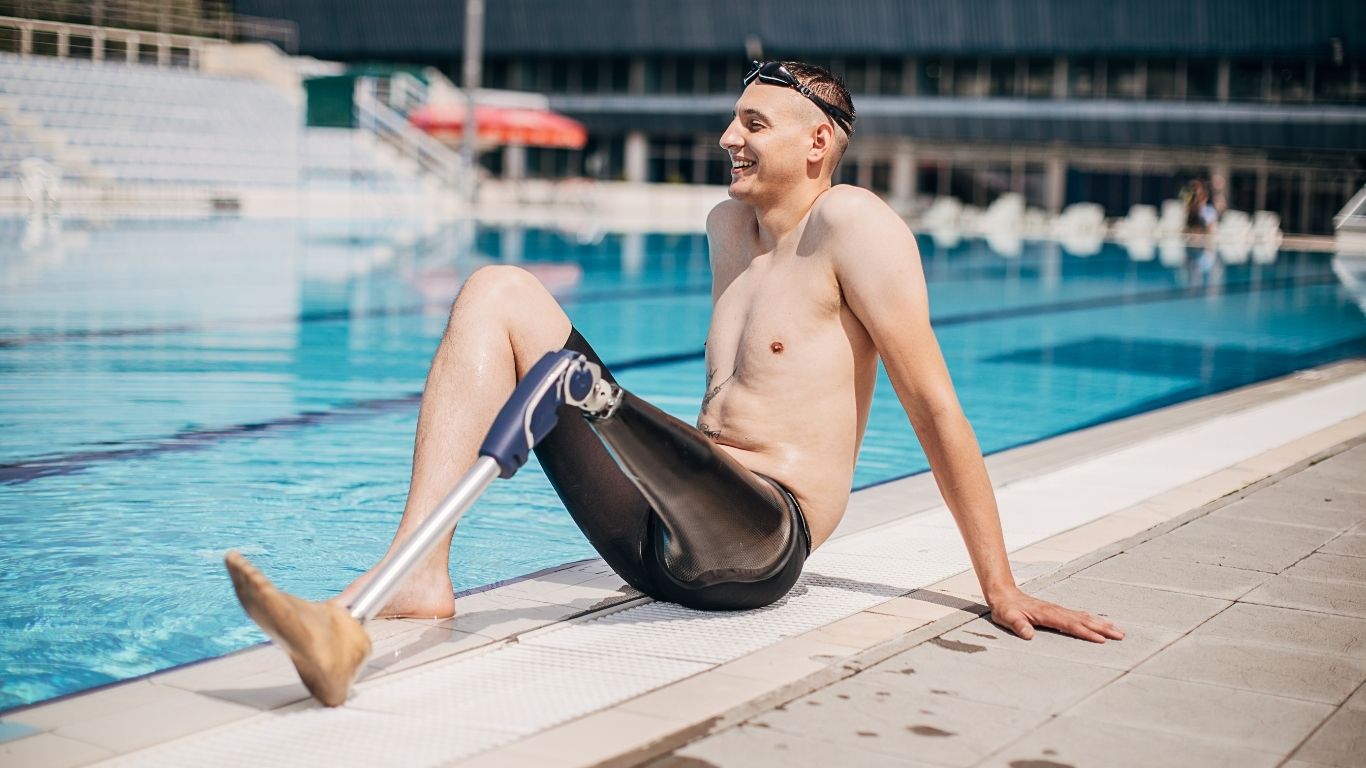
Waterproof prosthetic legs below knee feature sealed parts and silicone liners to handle swimming or wet environments without damage. Foldable or travel prosthetic legs below knee include compact, quick-release pylons for easy packing during trips. 3D-printed custom prosthetic legs below knee enable fast, precise fabrication with flexible materials for a glove-like fit. Vacuum or suction suspension prosthetic legs below knee use active systems to pull the socket tight, cutting down on movement inside for better control.
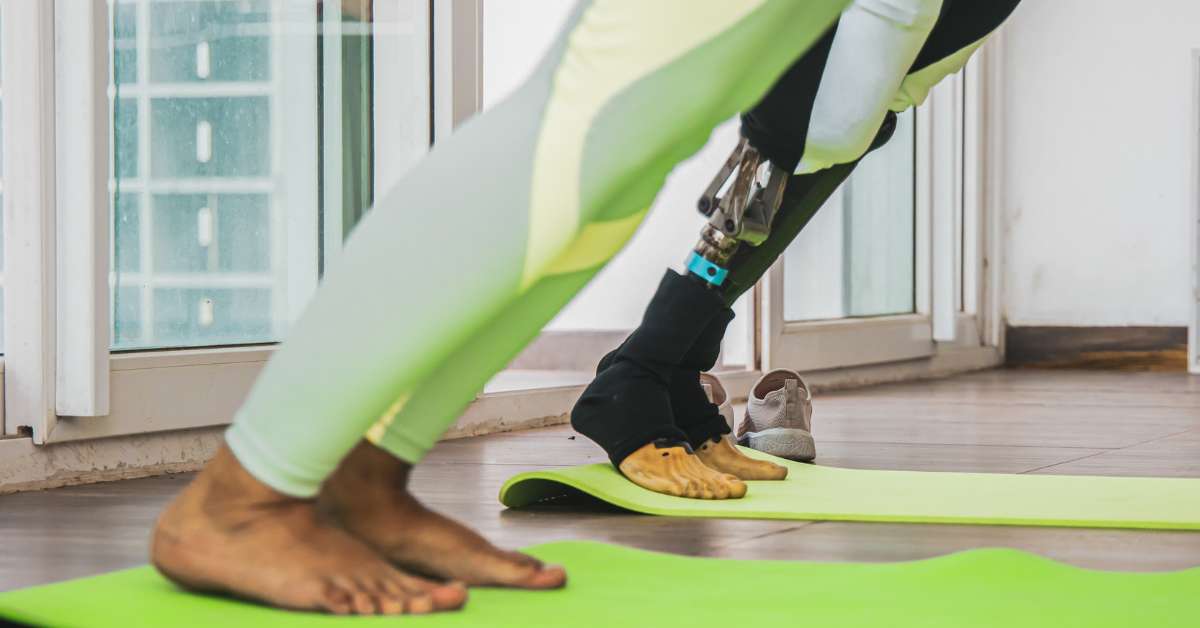
Prosthetic feet vary widely within these types of prosthetic legs below knee: the SACH offers basic shock absorption for low activity; single-axial feet add a hinge for slope handling in moderate use; multi-axial feet allow side-to-side and rotation for uneven ground; dynamic response feet provide propulsion for high-energy tasks; and low-profile options like BioStep ensure balanced walking for active daily life.
Factors in Choosing Prosthetic Legs Below Knee
Picking the right types of prosthetic legs below knee hinges on limb shape, skin health, K-level activity rating, budget ranging from $5,000 for basics to over $50,000 for high-tech, and daily demands. Prosthetists use gait analysis to perfect socket fit and avoid skin issues, with upkeep like cleaning, alignments, and battery maintenance keeping devices reliable. Rehab programs build strength and teach efficient use through therapy.
Cutting-edge trends in prosthetic leg types include AI for automatic tweaks, bionic elements for lifelike feel, and eco-friendly materials, driving below knee prosthetic leg designs closer to natural leg performance.
Prosthetic1’s Expertise in Below Knee Solutions
Prosthetic1 provides expert care for prosthetic legs below knee, crafting custom below knee prosthetic leg designs with leading technology for quick delivery and guaranteed satisfaction. Their compassionate team works closely with doctors and therapists, earning praise for professional service, improved balance, pain reduction, and respectful treatment that prioritizes patient outcomes.