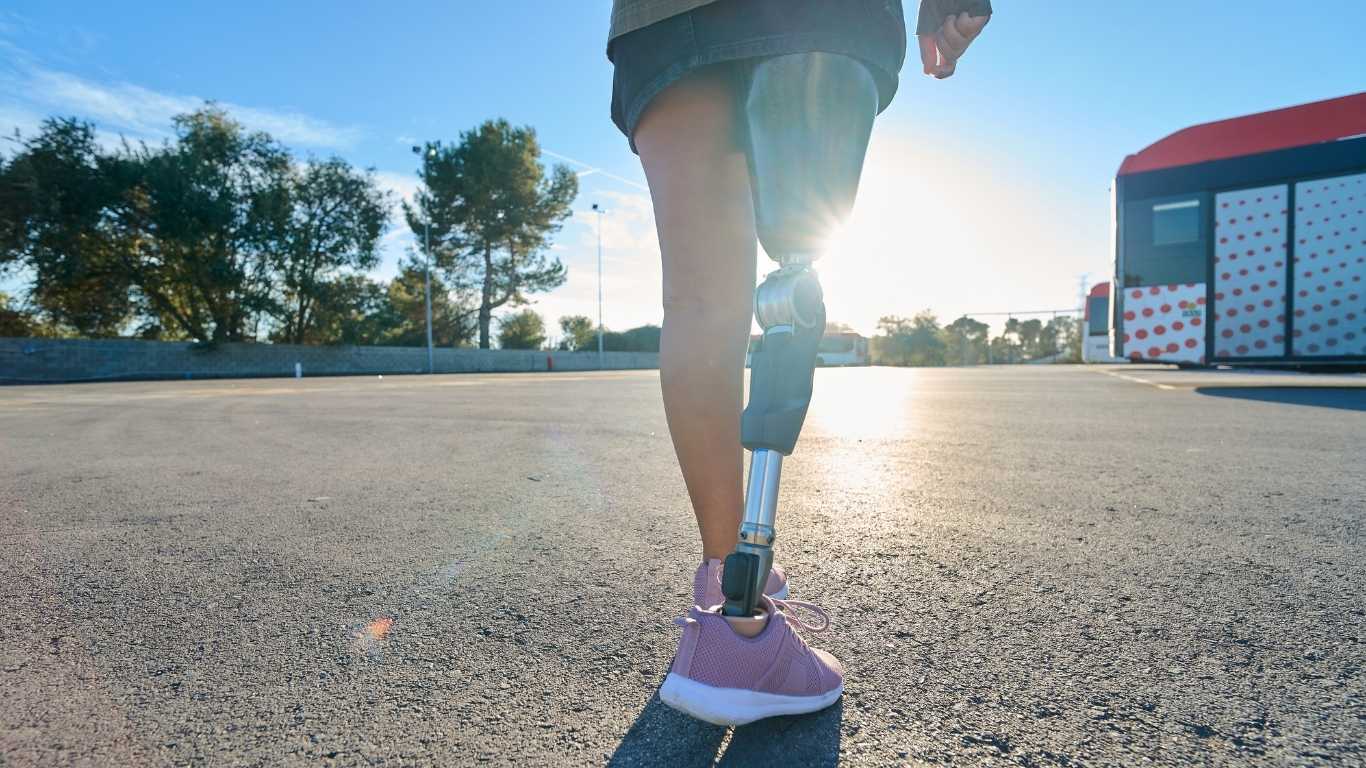

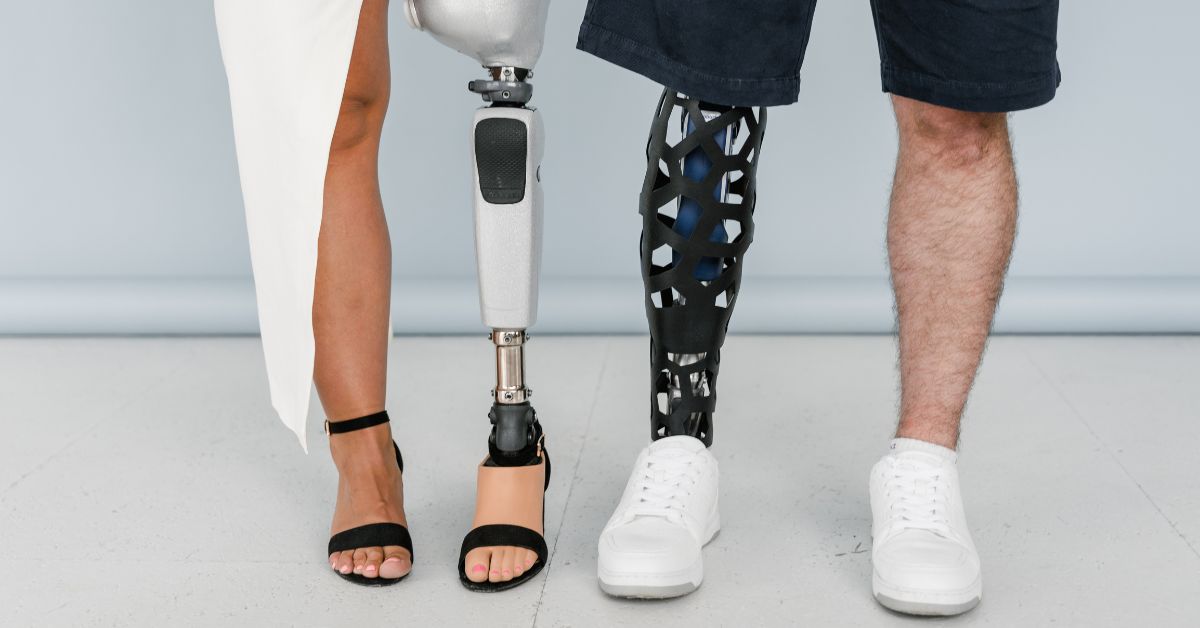
For decades, prosthetic limbs were designed with one primary goal: restore basic function. Today, that standard is no longer enough. People living with limb loss want devices that move naturally, respond intuitively, and feel like part of their body. The push toward lifelike prosthetics is not just about appearance. It is about dignity, independence, and quality of life.
Advances in advanced prosthetic technology have dramatically transformed what is possible. Microprocessor-controlled knees, sensor-driven hands, and AI-powered adaptive systems have made modern prosthetics even smarter and more responsive. Surgical innovations such as targeted muscle reinnervation are also helping bridge the gap between human intent and mechanical movement.
Yet innovation alone is not enough. True progress lies in making these technologies usable, comfortable, and seamlessly integrated into daily life. For individuals considering a prosthetic solution, understanding these advancements can be the first step toward reclaiming confidence and mobility.
Advanced Prosthetics Are Difficult to Operate
Modern prosthetic devices are engineering marvels. However, even the most sophisticated design can fall short if it is difficult to use.
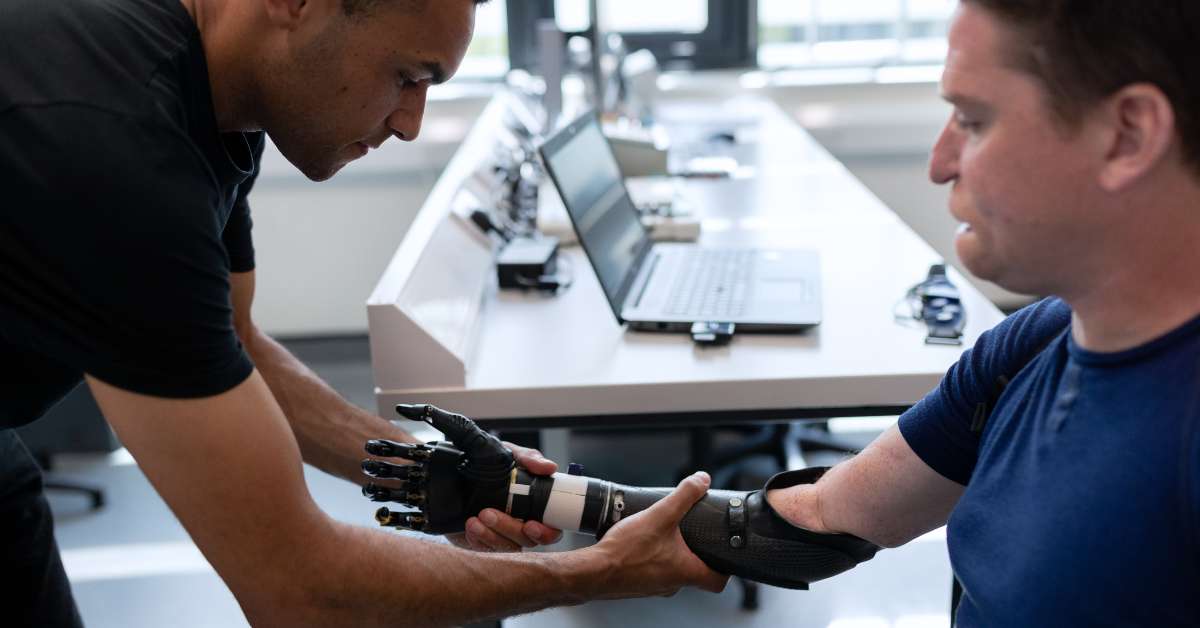
Many advanced prosthetic technologies rely on sensors, microprocessors, and complex control systems. Myoelectric arms, for example, detect electrical signals from muscles in the residual limb. These signals are translated into movement commands. While this sounds straightforward, the reality is more demanding.
Users often face:
- A steep learning curve when mastering signal control
- Muscle fatigue from repeated activation attempts
- Limited intuitive feedback from the device
- Psychological adjustment to a highly technical system
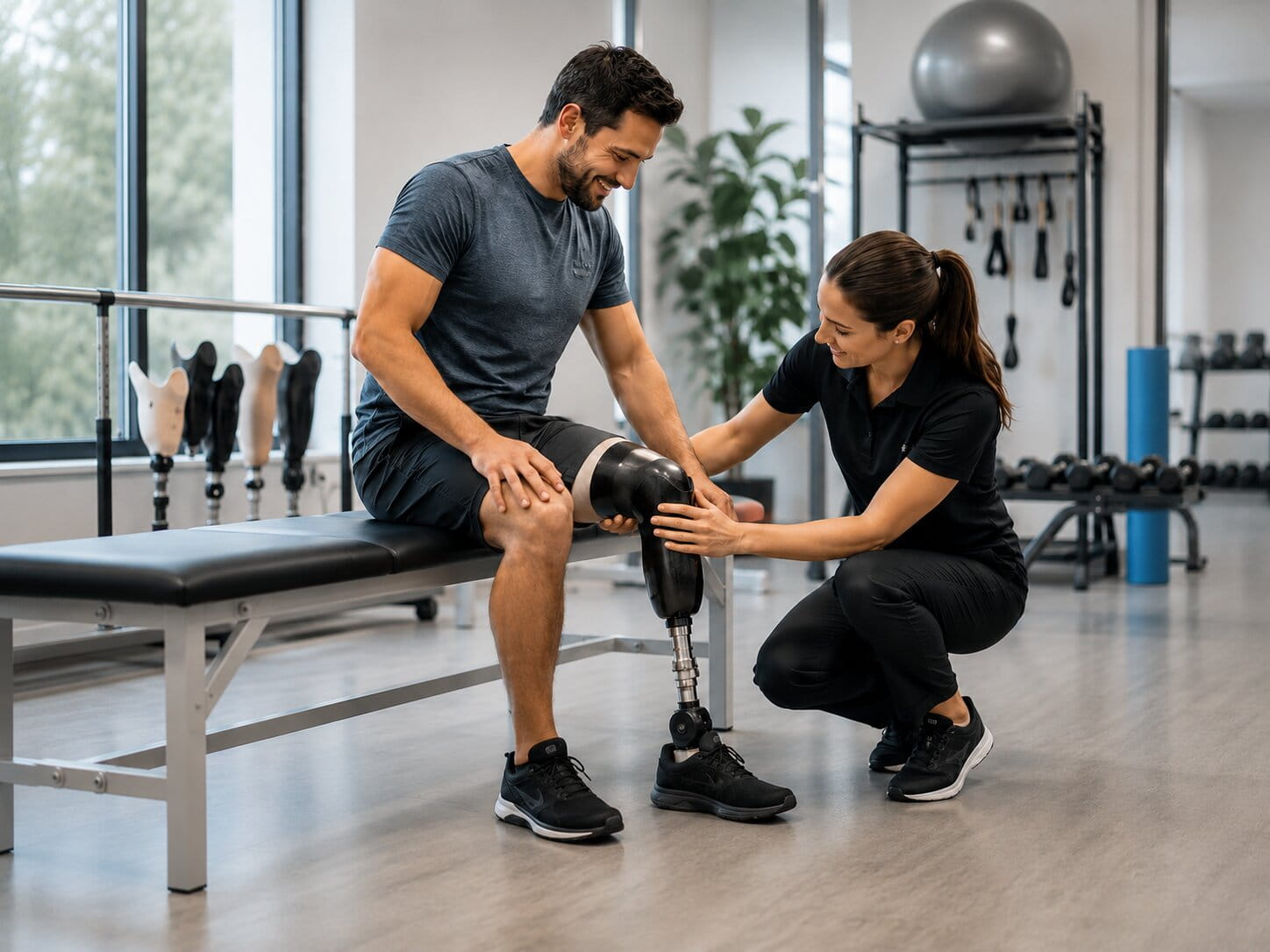
- Personalized fitting and calibration
- Ongoing rehabilitation support
- Integration of surgical techniques that enhance signal clarity
- User-centered design focused on intuitive control
- Improved signal strength and clarity for prosthetic control
- Reduced phantom limb pain in many patients
- More intuitive, simultaneous movements
- Enhanced potential for sensory feedback integration
- Adaptive gait control: AI-enabled knees and ankles learn walking patterns across different terrains.
- Predictive movement modeling: Systems anticipate user intent based on prior behavior.
- Customized grip optimization: Prosthetic hands refine grip strength and speed based on repeated use.
- Continuous calibration: Devices automatically adjust as muscle signals change over time.
- Integrated sensory feedback loops
- Cloud-based performance optimization
- Real-time remote adjustments by clinicians
- Enhanced neural interface integration
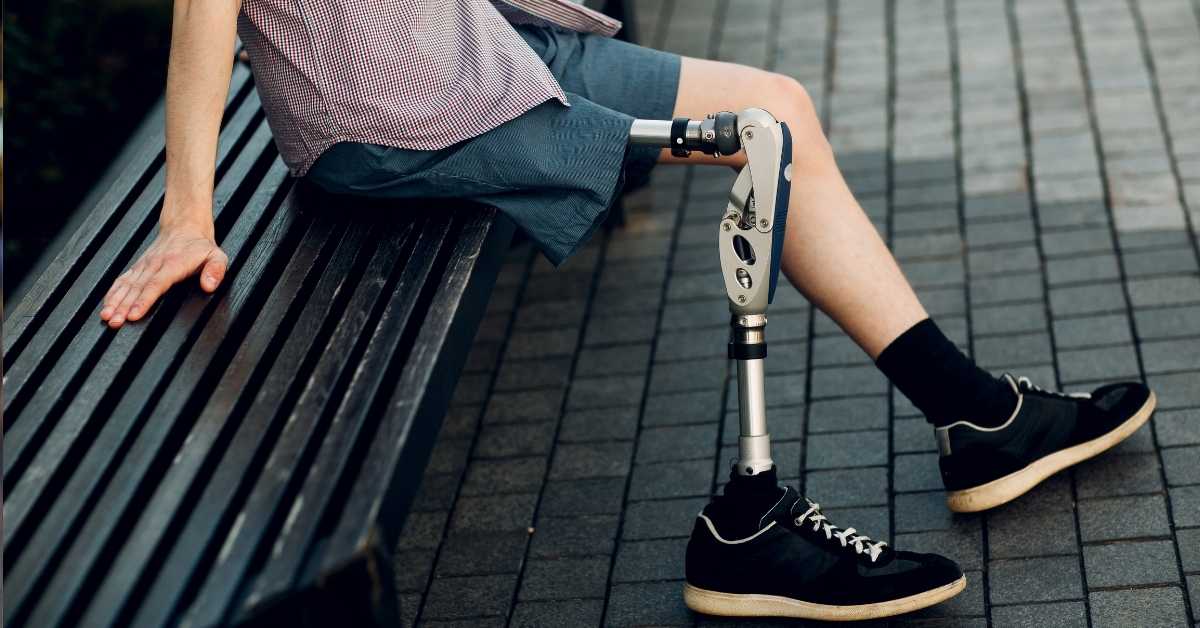
Microprocessor-controlled knees automatically adjust resistance during walking. While they improve stability, users must still train extensively to trust the system and adapt to its responsiveness. Similarly, multi-articulating prosthetic hands can perform multiple grip patterns, but switching between them may require deliberate muscle contractions that feel unnatural at first.
The gap between innovation and experience is real. A prosthetic may have advanced hardware, but if it does not respond in a way that feels natural, frustration can follow. Research shows that abandonment rates for upper-limb prosthetics remain significant, often due to usability challenges.
Bridging this gap requires more than better components. It requires:
The future of lifelike prosthetics depends not only on technological advancement but also on how seamlessly technology integrates with human physiology and daily life.
Amputations Improved by Targeted Muscle Reinnervation
One of the most significant breakthroughs in recent years is targeted muscle reinnervation (TMR). This surgical procedure is redefining what functional recovery can look like after amputation.
Targeted muscle reinnervation reroutes residual nerves that once controlled the amputated limb into remaining muscles. When the patient thinks about moving their missing limb, those redirected nerves activate the new muscle targets. These muscle signals can then be detected by prosthetic sensors, creating a more natural control pathway.
The benefits are substantial:
For example, individuals who undergo TMR after upper-limb amputation often report that controlling their prosthetic hand feels more like moving their original limb. Instead of consciously triggering specific muscle contractions, they think about opening or closing their hand, and the device responds accordingly.
Clinical case studies have shown measurable improvements in fine motor control and functional independence among TMR patients. Many describe a shift from “operating a machine” to “using a limb.” That distinction matters because it reflects the psychological and neurological alignment that makes movement feel authentic.
In the pursuit of lifelike prosthetics, targeted muscle reinnervation plays a foundational role. By reconnecting intention with action, it reduces the disconnect that has historically limited prosthetic usability.
Artificial Intelligence Now Used in Prosthetic Technology
Artificial intelligence is rapidly reshaping many areas of healthcare, and AI in prosthetics is among the most promising developments.
Traditional prosthetic systems rely on predefined programming. AI-driven systems, however, can learn and adapt. Using machine learning algorithms, these devices analyze patterns in user movement and adjust in real time.
Here is how AI enhances modern prosthetics:
Instead of forcing users to adapt entirely to the device, AI allows the device to adapt to the user. This shift is critical for improving comfort and long-term satisfaction.
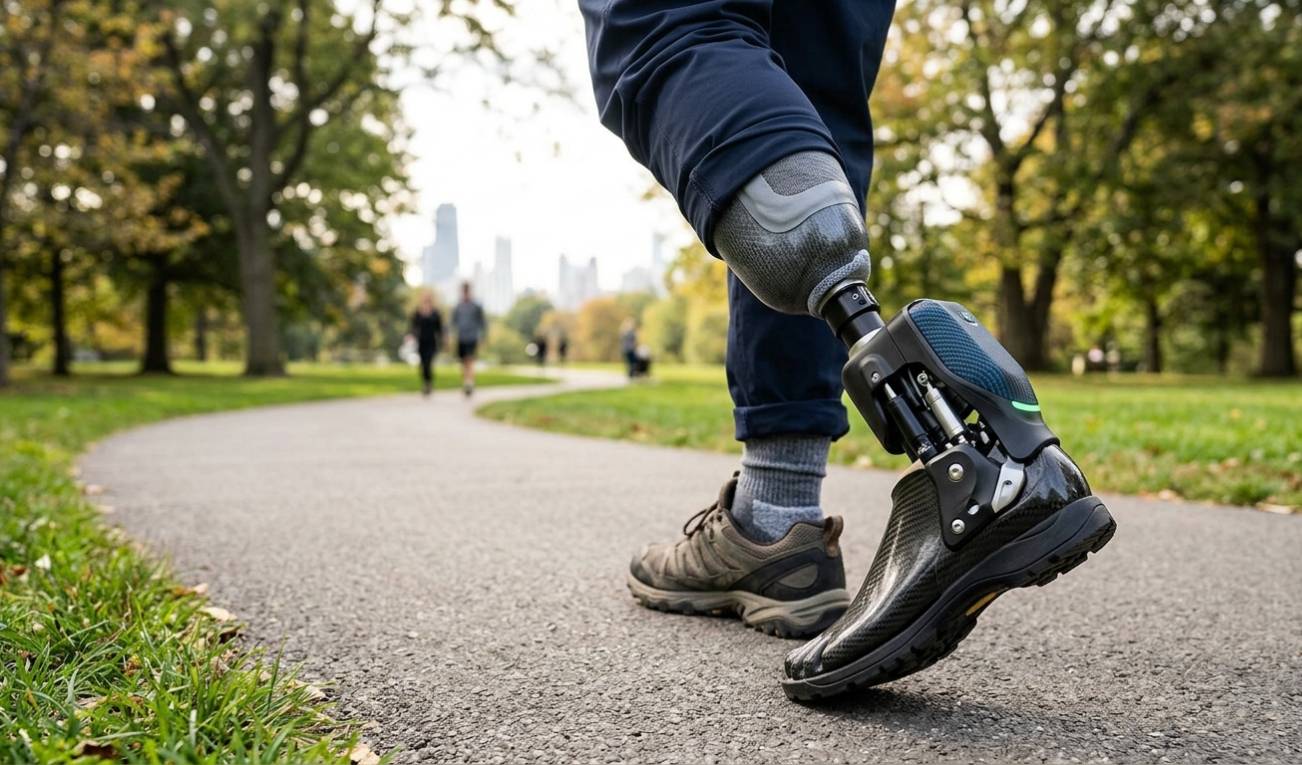
For example, AI-powered lower-limb prosthetics can detect whether a user is walking on stairs, uneven ground, or flat pavement. The system then adjusts resistance and motion patterns almost instantly. This responsiveness reduces cognitive load and enhances safety.
Looking ahead, future developments in AI in prosthetics may include:
As computing power increases and algorithms become more refined, the line between biological and mechanical control continues to blur. AI is not replacing the human element. It is amplifying it.
When combined with surgical advances like targeted muscle reinnervation, artificial intelligence has the potential to bring us closer than ever to truly lifelike prosthetics.
Read more: Improving Mobility and Balance: How Foot and Toe Prostheses Work
Conclusion
The journey toward lifelike prosthetics is driven by innovation across multiple disciplines. While advanced prosthetic technology has introduced remarkable mechanical capabilities, usability challenges remain. Surgical breakthroughs such as targeted muscle reinnervation help bridge the gap between intention and movement, while AI in prosthetics is transforming devices from static tools into adaptive partners.
Together, these advancements are redefining what life after amputation can look like. The focus is no longer just on restoring function. It is on restoring confidence, independence, and natural interaction with the world.
Continued research, personalized care, and integrated treatment approaches will determine how far this progress can go. If you or a loved one is exploring prosthetic solutions, consulting with specialists who understand both surgical options and the latest technological innovations is essential. The right combination of expertise and technology can make all the difference in achieving a truly lifelike outcome.