
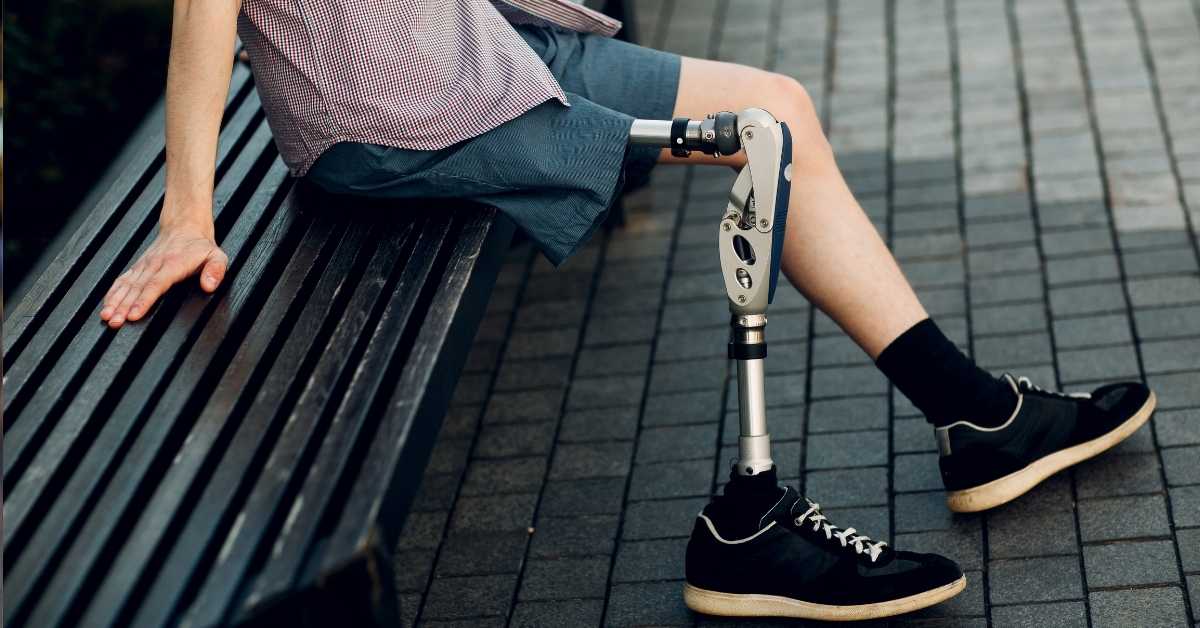
Prosthetic limbs provide mobility, autonomy, and self-assurance for individuals who have lost an arm or leg because of disease, injury, or congenital issues. Modern prosthetic limbs vary from basic, aesthetic devices to sophisticated bionic systems that react to muscle signals and replicate natural motion. Grasping the various kinds of prosthetic limbs and their functions is the initial move toward selecting the appropriate option for your body, lifestyle, and aspirations.
What Are Prosthetic Limbs?
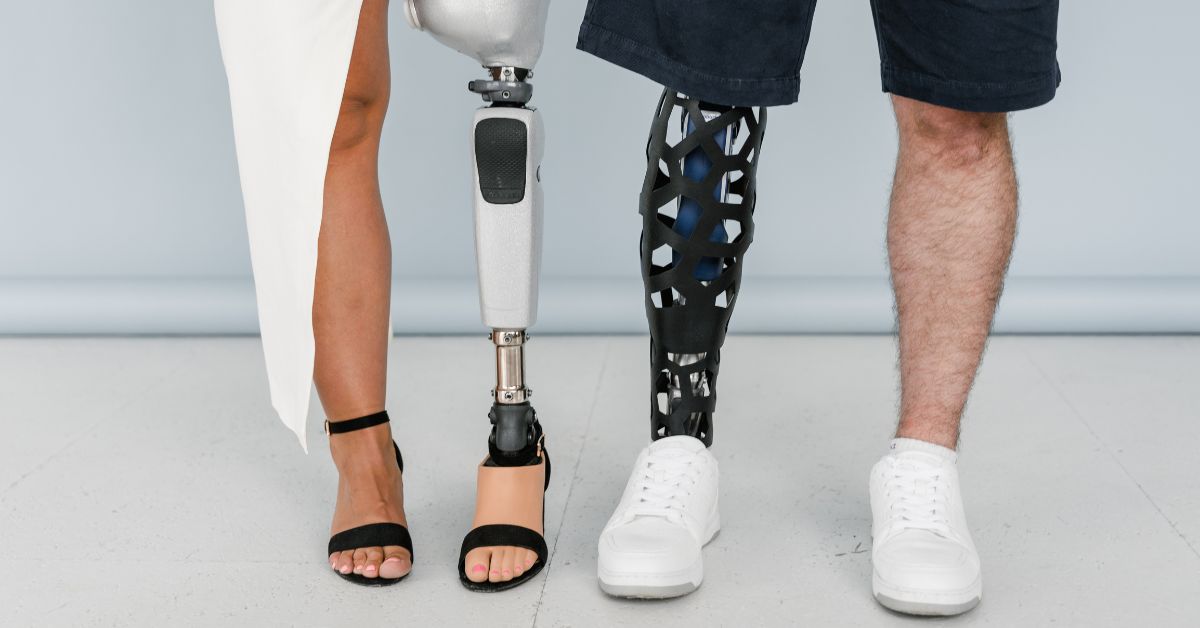
Prosthetic limbs are tailored artificial substitutes for absent arms or legs, intended to regain as much functionality, comfort, and aesthetic as feasible. They usually consist of a socket (that accommodates the residual limb), structural parts (joints and pylons), and a terminal device, like a prosthetic foot or hand. Contemporary prosthetic limbs utilize lightweight substances such as carbon fiber, titanium, and advanced plastics, ensuring they are sturdy while still being comfortable for everyday use.
Prosthetic limbs are mainly categorized into upper-limb prosthetics (for hands and arms) and lower-limb prosthetics (for feet and legs). Upper-limb prosthetics emphasize delicate movements, like holding and handling items, whereas lower-limb prosthetics concentrate on standing, walking, maintaining balance, and occasionally running or athletic activities.
Main Kinds of Prosthetic Limbs by Body Area
Upper-limb prosthetic limbs
Upper-limb prostheses take the place of arm components, including the hand, wrist, forearm, elbow, or the whole arm up to the shoulder. These gadgets may be:
- Incomplete hand or finger prostheses for individuals lacking one or several fingers.
- Prosthetic limbs for wrist disarticulation, transradial (below elbow), or transhumeral (above elbow) amputations.
- Shoulder-height prosthetics for significant limb loss.
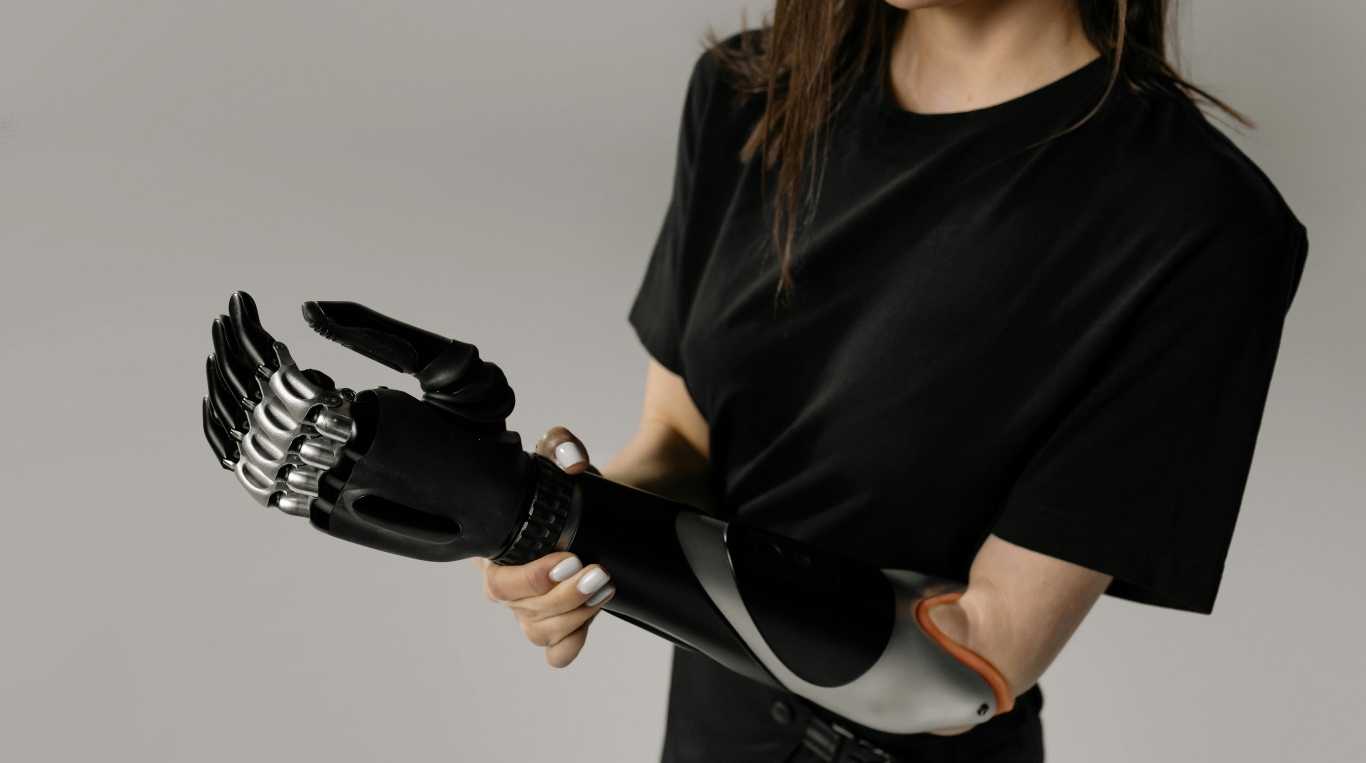
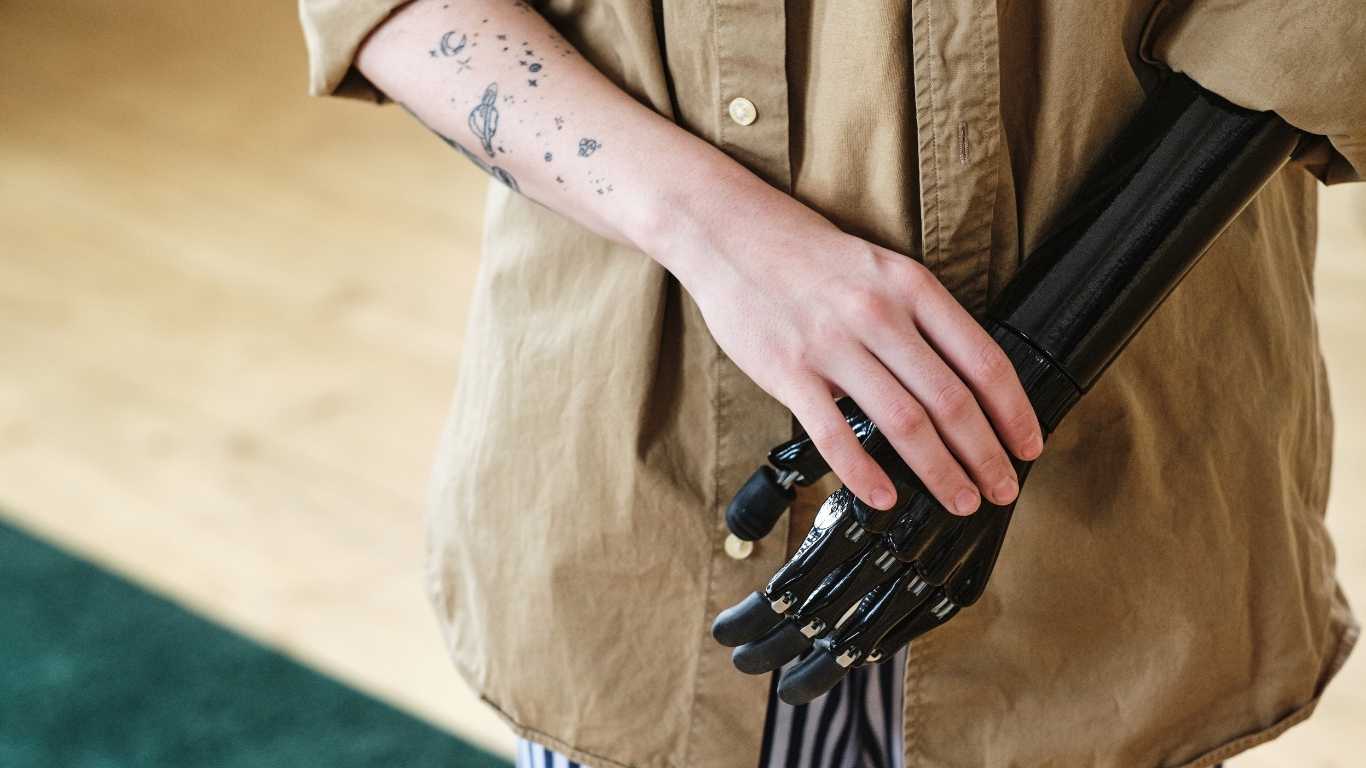
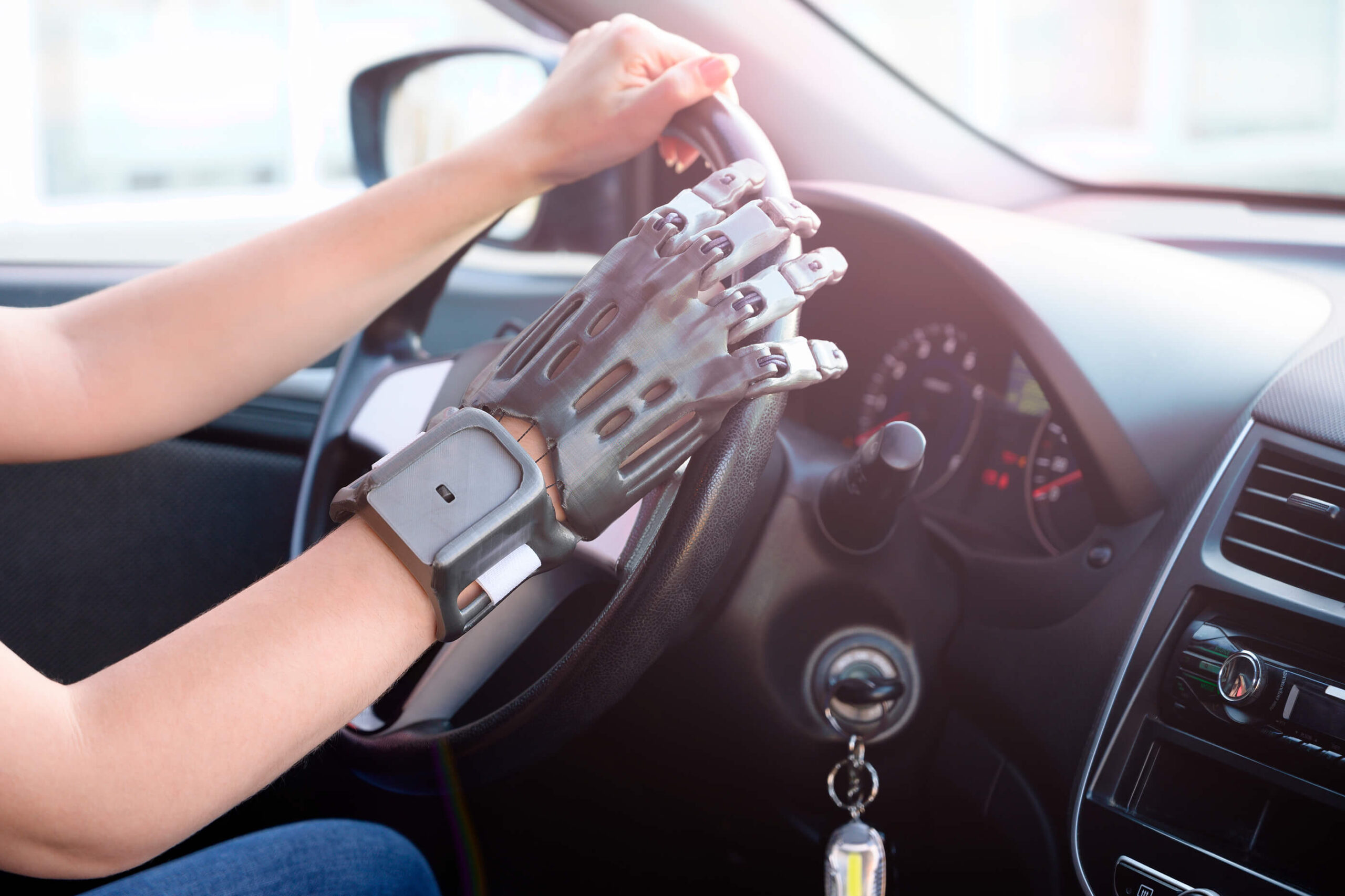
Upper-limb prosthetics frequently aid in intricate activities such as using utensils, typing, or grasping tools, so they can include mechanical hooks, prosthetic hands, or myoelectric hands powered by muscle signals. Comfort and socket fit are essential since the user needs to wear the device for extended periods while engaging in functional activities.
Lower-limb prosthetic limbs
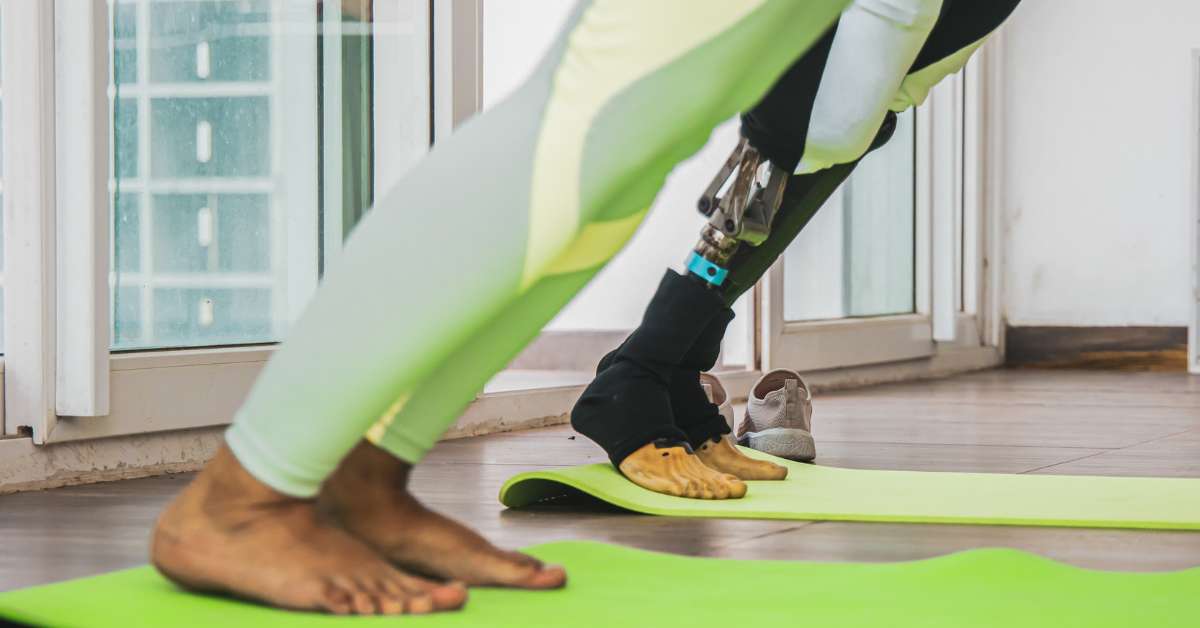
Lower-limb prostheses are created to enable standing, walking, climbing stairs, and often facilitate a return to work, sports, or active lifestyles. These consist of:
- Incomplete foot and ankle prosthetic devices.
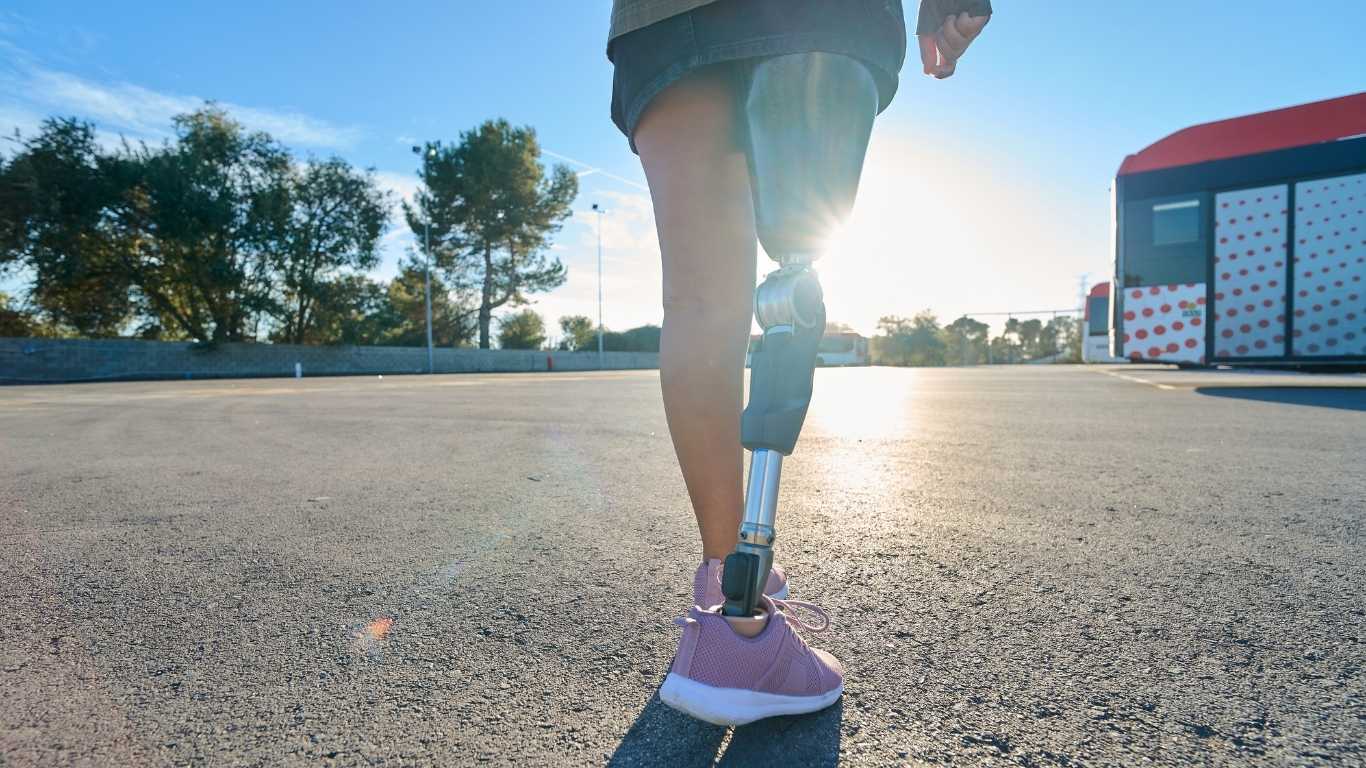
- Prosthetic limbs for transtibial (below-knee) applications.
- Above-knee prosthetic legs featuring prosthetic knees and feet.
- Prosthetics for hip disarticulation to address significant limb loss.
These artificial limbs frequently feature specialized prosthetic feet (like energy-storing carbon fiber ones) and, for those with above-knee amputations, mechanical or microprocessor-controlled knees to ensure a smoother, safer walking experience. Correct alignment and support are crucial to avoid discomfort, skin deterioration, and instability.
Functional Types of Prosthetic Limbs
Regardless of whether they are upper or lower limb, prosthetic limbs are often grouped by their function and control system rather than just their location.
Types of Functional Prosthetic Limbs
Prosthetic limbs, whether for the upper or lower body, are frequently categorized based on their functionality and control mechanism instead of solely their position.
Passive or cosmetic prosthetic limbs
Passive prosthetic limbs are mainly created for aesthetics instead of dynamic function. A typical instance is a cosmetic hand or arm that appears very lifelike but cannot open and close on its own. These prosthetic limbs:
- Assist in restoring body image and balance.
- Help with minor stabilization activities, like supporting or securing items in position.
- Typically lightweight, easy to maintain, and more cost-effective.
They can be a great option for individuals who value aesthetics more than practicality, or for those who don’t require intricate motion in their everyday activities.
Myoelectric and electrically driven prosthetic limbs
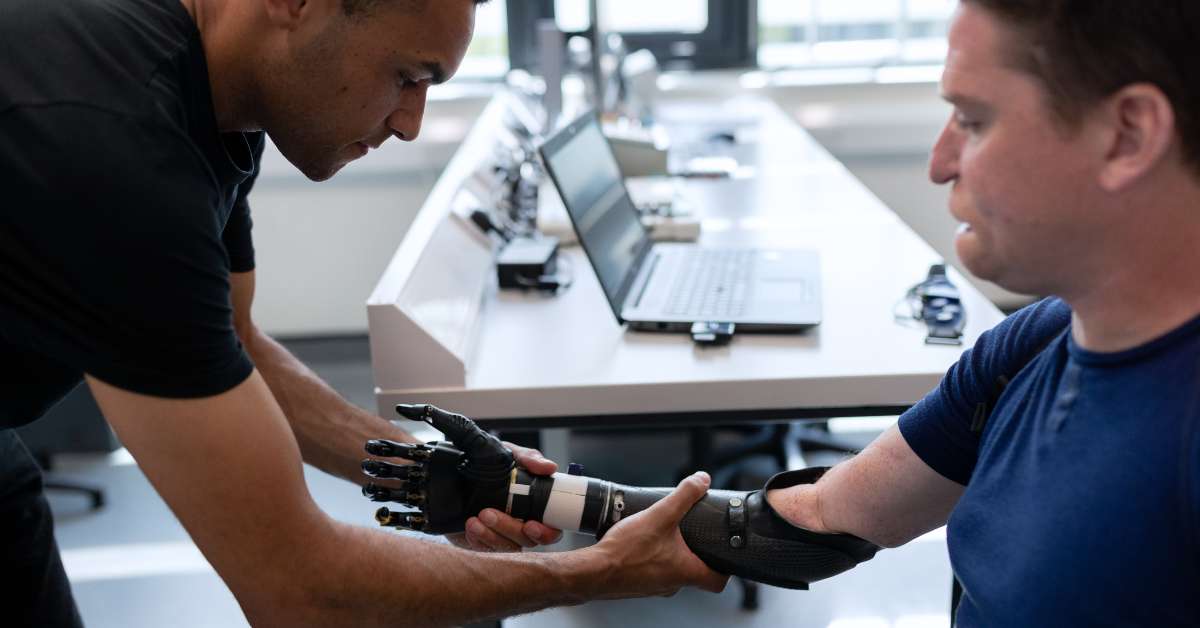
Myoelectric prosthetic limbs are externally operated devices utilizing small electrodes positioned on the skin above residual muscles. When the user engages certain muscles, the electrodes sense the electrical impulses and transmit them to motors within the prosthetic hand, wrist, elbow, or other parts. This enables the user to open and close a prosthetic hand, rotate the wrist, or flex the elbow with greater natural control.
Advantages of myoelectric prosthetic limbs consist of:
- Enhanced movement realism and various gripping styles.
- Harnesses and cables are unnecessary, resulting in increased comfort and freedom of movement.
- Enhanced capability for activities that necessitate synchronization and accuracy.
These prosthetic limbs necessitate consistent charging, meticulous upkeep, and training, and they can be pricier than body-powered alternatives.
Hybrid prosthetic limbs
Hybrid prosthetic limbs merge two systems, typically in upper-limb scenarios like an above-elbow prosthesis where the elbow operates on body power and the hand is myoelectric. This method can regulate weight, expense, management, and operational capability.
- The body-powered element provides strong, reliable control.
- The myoelectric element enhances performance in areas requiring precise control, like gripping.
Hybrid designs are beneficial when a single control method is insufficient to effectively address the user’s requirements.
Activity- prosthetic limbs
Prosthetic limbs designed for specific activities are intended for particular tasks instead of regular use. Instances consist of:
- Athletic running blades.
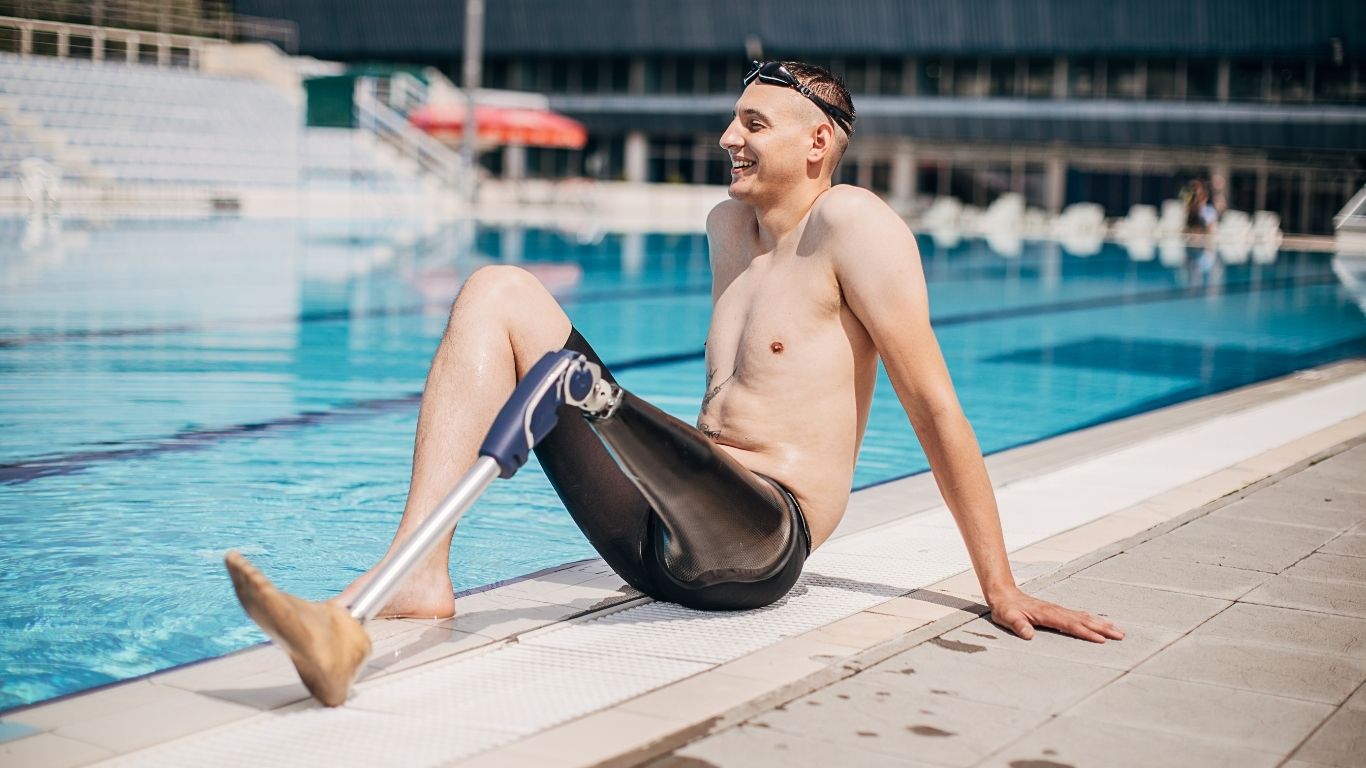
- Artificial limbs customized for cycling, swimming, or climbing.
- Personalized terminal gadgets for leisure or professional use, including tools, sports gear connectors, or specialized grips.
Numerous users possess a main prosthetic limb for everyday activities and additional activity-specific prosthetic limbs for sports or particular functions.
Key Components That Shape Prosthetic Limb Choice
Selecting the appropriate prosthetic limbs goes beyond merely picking a type; the materials and design features significantly influence comfort and functionality.
Socket and suspension
The socket serves as the connection point between your body and the artificial limb. A properly fitted socket evenly distributes pressure, safeguards the skin, and enables effective control. Sockets are usually custom-shaped from a cast or digital scan of your residual limb and made from materials such as carbon graphite or thermoplastics.
Suspension systems, like liners featuring locking pins, suction, or vacuum mechanisms, securely attach the prosthetic limb to the residual limb. The appropriate suspension technique minimizes movement within the socket, enhancing comfort and preventing friction and skin deterioration.
Joints, feet, and hands
Lower-limb prosthetics can feature mechanical, hydraulic, or microprocessor-based knees and ankles. Microprocessor knees modify resistance instantly to enhance stability on stairs, ramps, and rough terrain. Prosthetic feet vary from basic solid-ankle models to sophisticated energy-storing carbon fiber designs that provide energy return with every step.
Upper-limb prosthetic devices may include:
- Claws for a firm, dependable hold.
- Life-like cosmetic hands.
- Myoelectric hands with various grip styles, such as pinch, tripod, and power grip.
These components are designed to align with your mobility requirements, job obligations, and individual preferences.
Choosing the Right Prosthetic Limb for You
The “ideal” prosthetic limbs vary for each individual, as everyone has distinct objectives, health issues, and everyday habits. Overall, various elements influence the decision-making process:
- Level and cause of amputation: The location of limb loss, being above or below joints such as the elbow or knee, affects the available prosthetic designs and their complexity.
- Lifestyle and activity level: A person who prefers to stroll around their home may require different prosthetic limbs compared to someone aiming to run marathons or resume a physically challenging occupation.
- General health and vitality: Medical conditions such as diabetes, heart disease, or joint problems can influence the types of prosthetic limbs that are safe and practical.
- Cost and insurance reimbursement: Sophisticated myoelectric or microprocessor-driven prosthetic limbs usually have higher prices, and coverage differs by policy and area.
- Individual preferences: While some individuals emphasize looks and select cosmetic or skin-colored tools, others place functionality first, choosing efficient hooks or blades.
A qualified prosthetist assesses your remaining limb, health background, and functional objectives, subsequently suggesting prosthetic devices and parts that suit your requirements. Physical therapy and occupational therapy are crucial for learning to operate the device, developing strength, and incorporating prosthetic limbs into daily routines.
Final Thoughts
Prosthetic limbs have transformed from simple substitutes into advanced devices that can accurately align with your functional requirements, activity levels, and way of life. Regardless of whether you require a solution for the upper or lower limb, choices vary from passive and body-powered models to sophisticated myoelectric and activity-specific prosthetics that enhance both autonomy and self-assurance.
The suitable prosthetic limb varies based on your amputation level, health, daily routines, and personal preferences, making expert advice and a tailored fitting process critical. Partnering with a committed provider such as Prosthetic1 guarantees you receive a thoughtfully crafted prosthetic limb, continuous assistance, and cooperative care with your physician and therapist to aid you in returning to life as you choose.