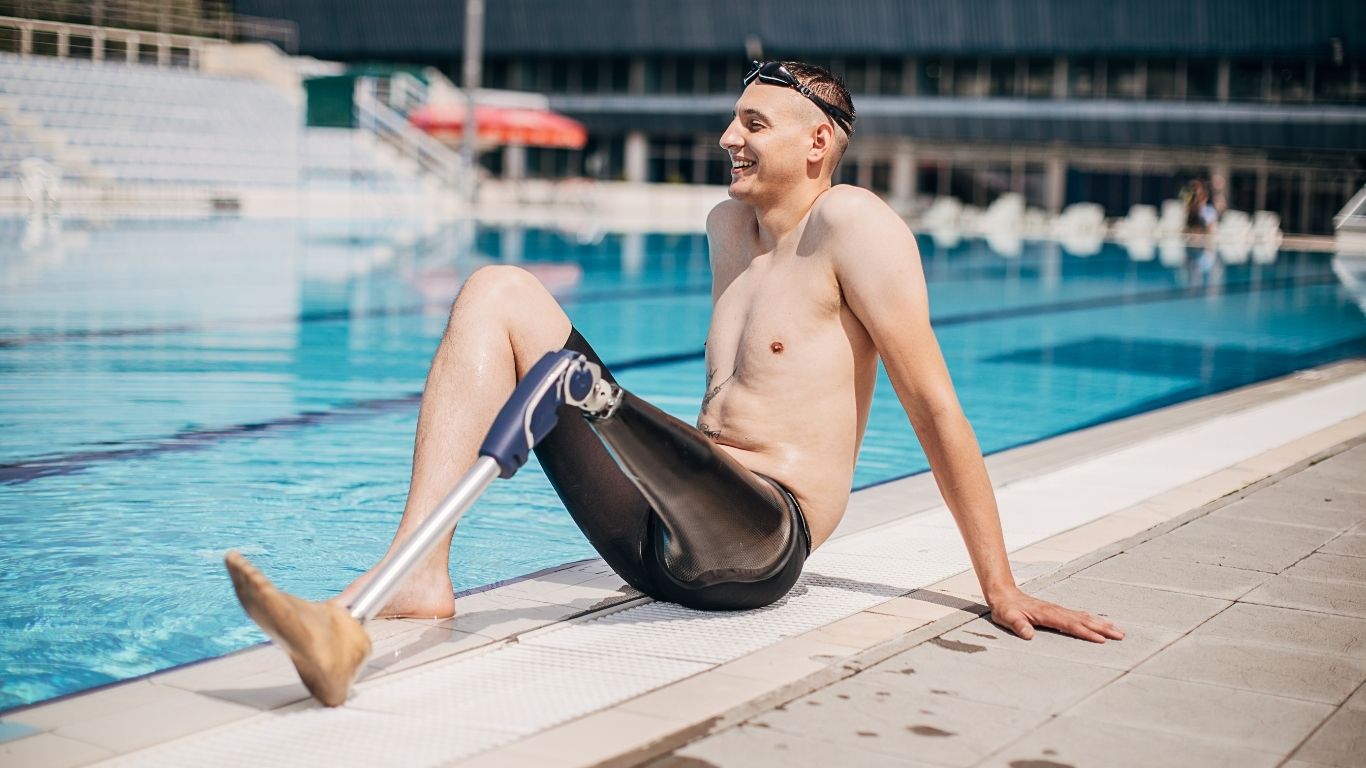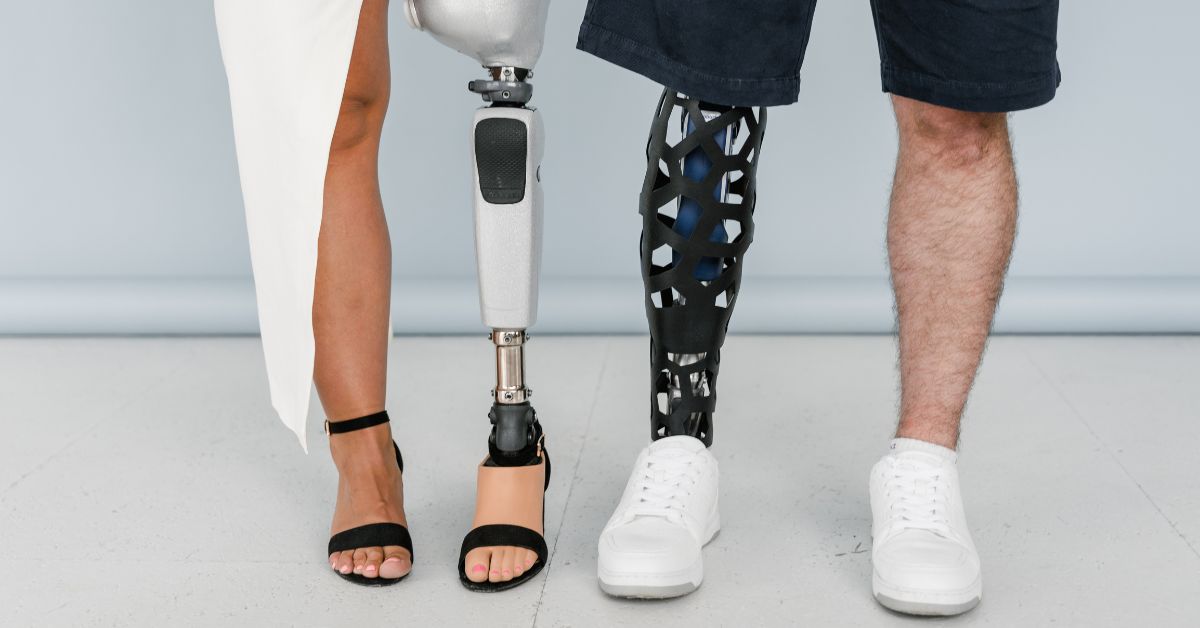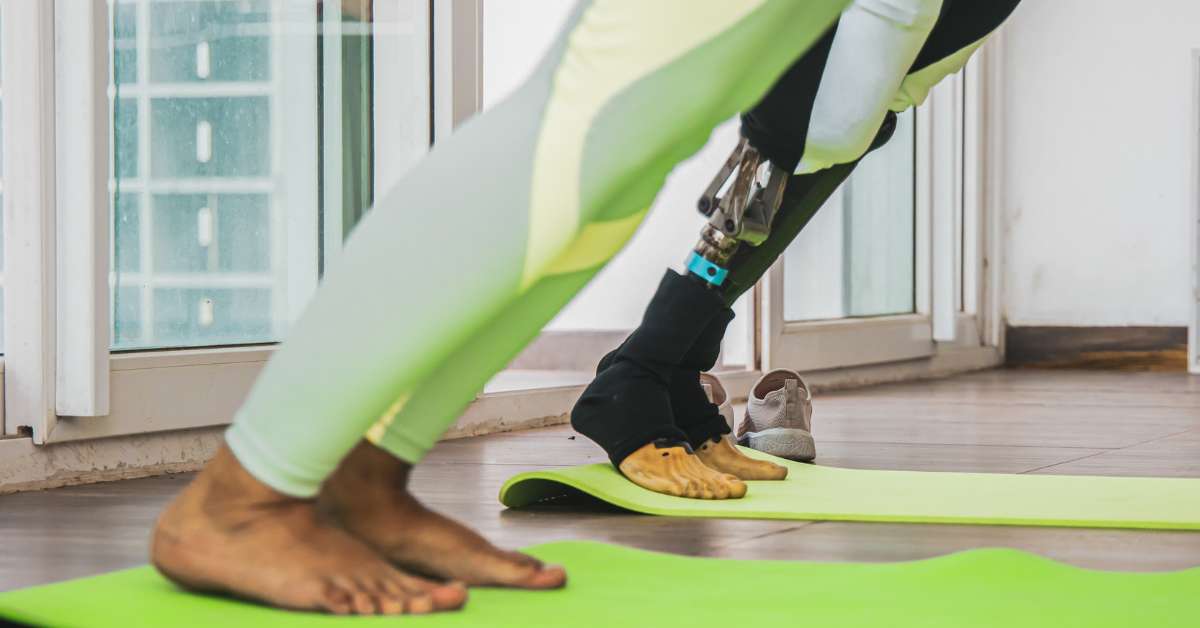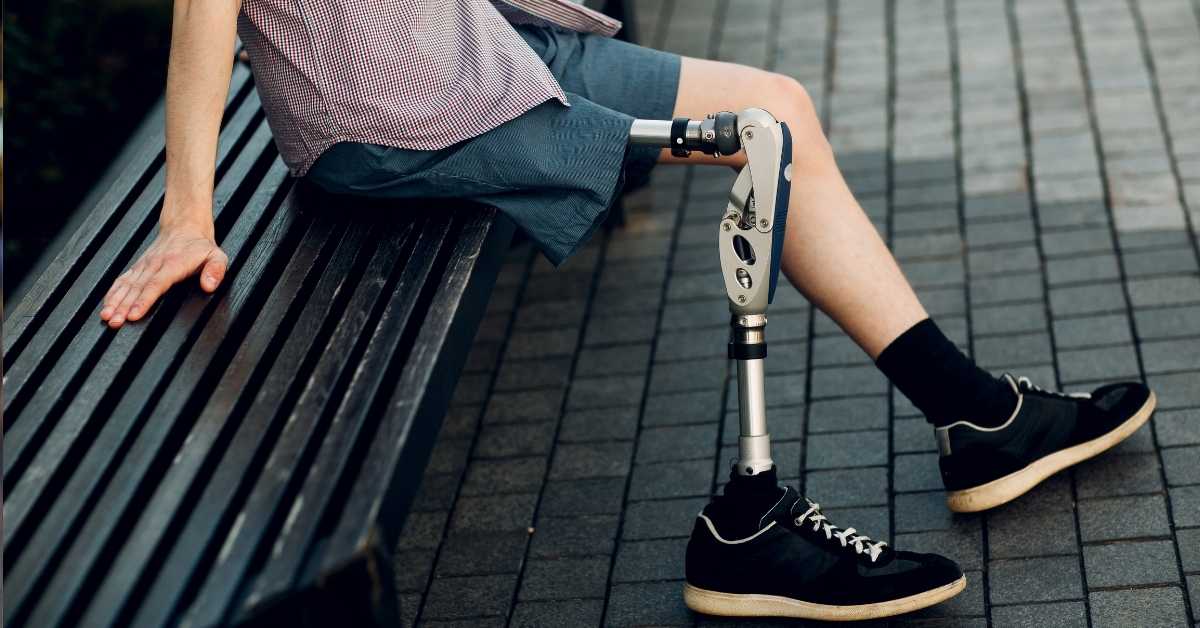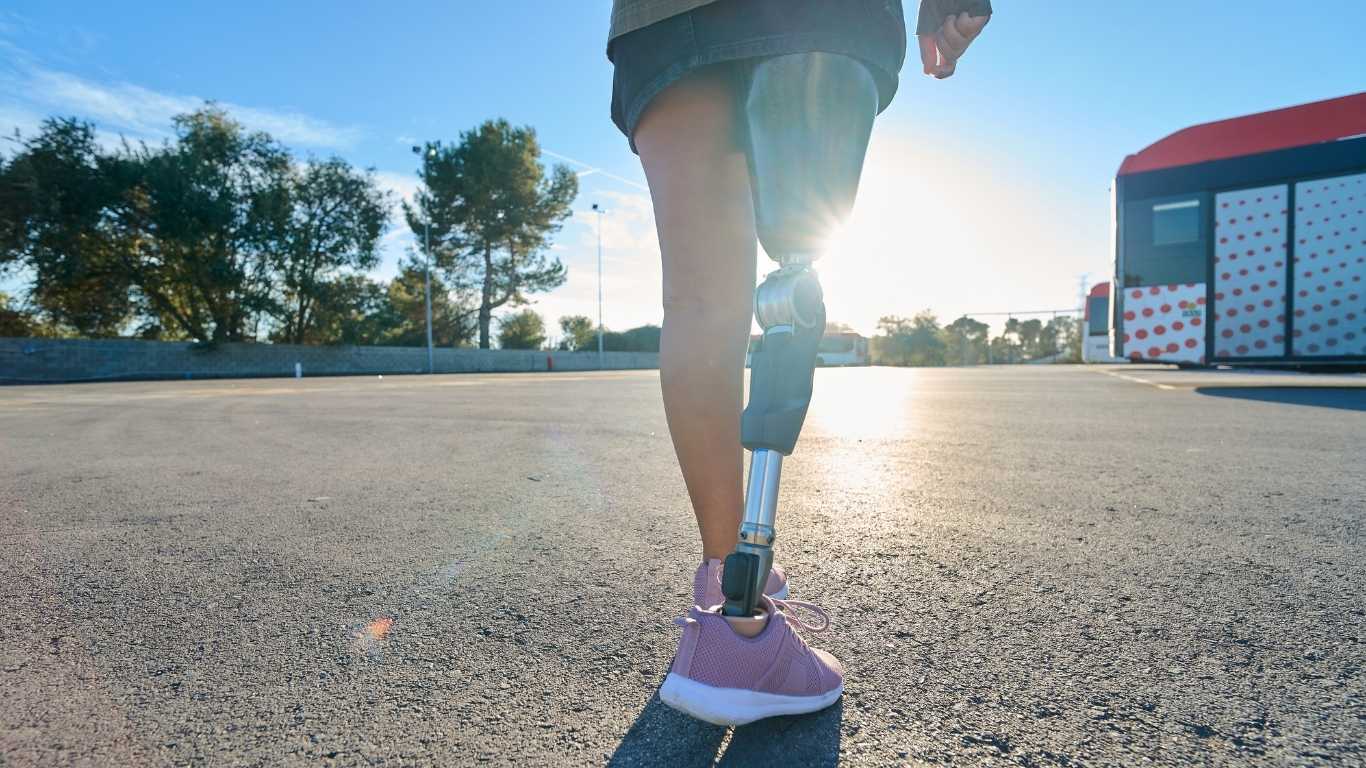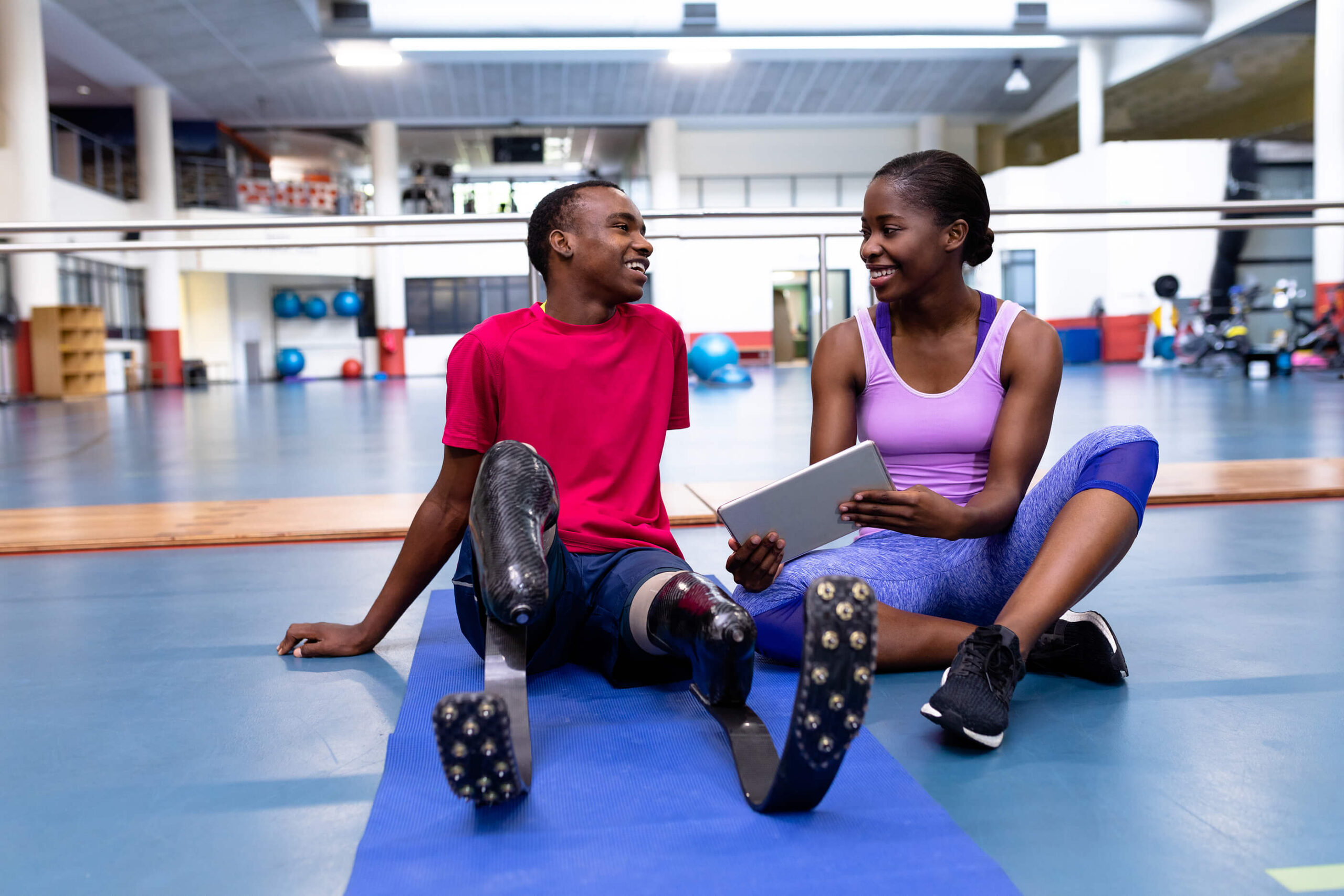

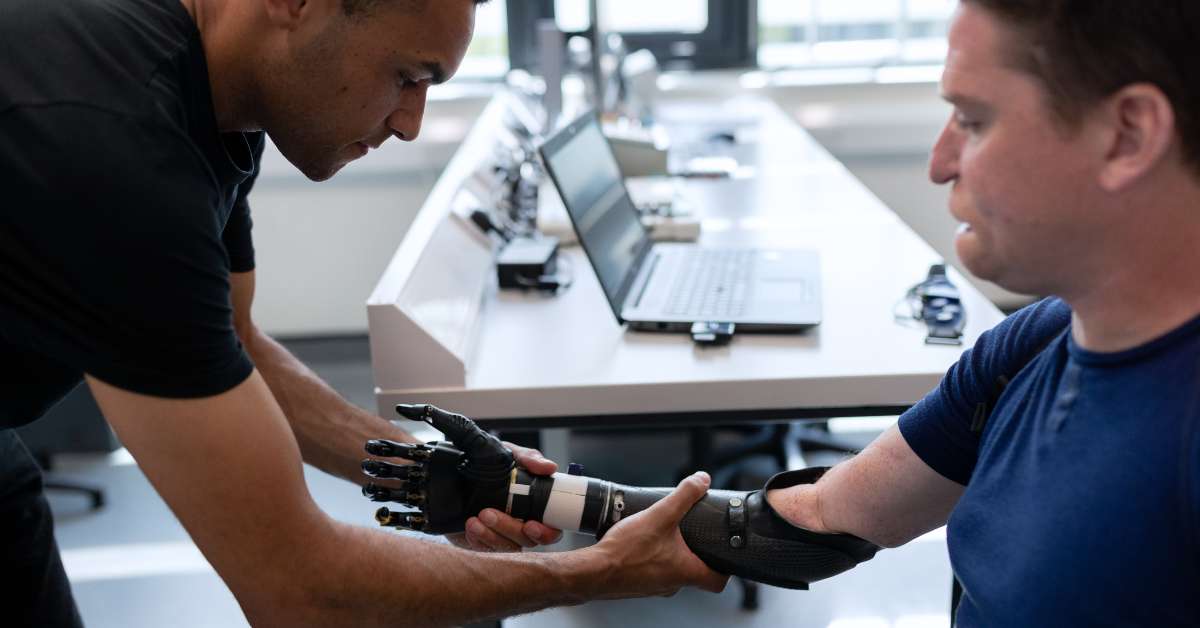
Losing a limb alters one’s life significantly; however, with adequate support, many individuals successfully walk, work, drive, and participate in hobbies with a prosthetic limb, also referred to as an artificial limb. Prosthetic basics for new amputees encompass aspects such as recovery post-surgery, selecting the appropriate prosthetic limb, retraining movement skills, and adjusting to everyday activities. This guide outlines the recovery process in detail, how a prosthesis functions, and what to anticipate while using an artificial limb, allowing you to restore confidence and autonomy.
What Occurs Immediately Following Amputation Surgery?
In the hospital, the healthcare team prioritizes treating the surgical incision, controlling pain, and avoiding complications such as infection, swelling, and blood clots. Essential responsibilities during these initial days and weeks consist of:
- Using pain medication according to instructions, allowing you to remain comfortable and engage in rehabilitation.
- Maintaining cleanliness, dryness, and protection from pressure for the residual limb (the remaining part of the limb).
- Employing compression bandages or shrinkers soon after to contour the limb and minimize swelling, essential for subsequent prosthetic fitting.
- Engaging in gentle exercises (as recommended by your physician) to maintain movement in joints such as the knee, hip, and shoulder, and to avoid stiffness and contractures.
Various new amputees experience intricate feelings such as shock, sadness, anxiety, or frustration. Feeling overwhelmed is entirely natural; hospital social workers or counselors can assist you in navigating these emotions and linking you to support groups if necessary.
The Path to a Prosthetic Limb: Initial Recovery
Prosthetic rehabilitation typically starts after the surgical site has sufficiently healed, swelling has subsided, and the residual limb has achieved a more stable shape, usually occurring within 4 to 10 weeks following a lower-limb amputation. In this stage, the emphasis is placed on:
Getting the Remaining Limb Ready
- Compression therapy: Consistent use of elastic bandages or a shrinker sock aids in minimizing swelling and contours the limb into an ideal cone shape for a prosthetic socket.
- Desensitization: Soft touching, tapping, massage, and vibration aid the residual limb in adapting to touch and pressure, diminishing hypersensitivity and discomfort.
- Enhancing strength and mobility: Workouts targeting the core, hips, shoulders, and other limbs contribute to building strength and stability, making the use of a prosthetic or wheelchair simpler and safer.
- A physical therapist will assist you in sitting at the bed’s edge, practicing transitions (from bed to chair and chair to standing), and using a wheelchair or walker if required.
- You can begin using parallel bars or a gait belt to work on standing and shifting weight, which readies the body for walking with a prosthetic leg.
- Assess and form the extremity, frequently employing casting or a digital scanner.
- Fabricate the prosthetic socket, which is the tailored component that fits over the remaining limb and attaches to the other parts of the artificial limb (the pylon, knee/foot, or hand/wrist).
- Prompt mobility and weight-bearing, assisting the residual limb in adjusting to pressure.
- Gait retraining to help you start learning to walk again with the prosthetic limb.
- Simple modifications as the extremity gradually varies in size and form.
- Prosthetics for partial hands or fingers: Substitute one or several absent fingers with cosmetic or functional elements.
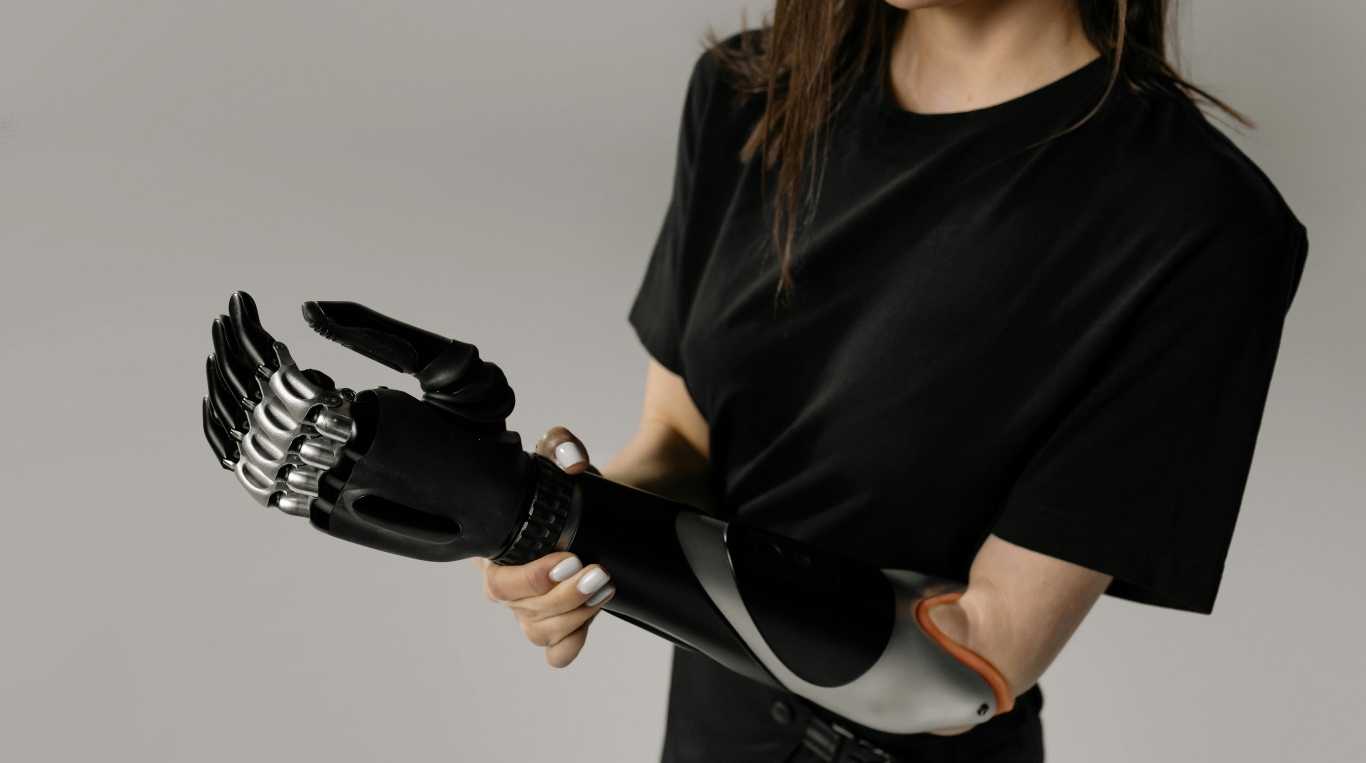
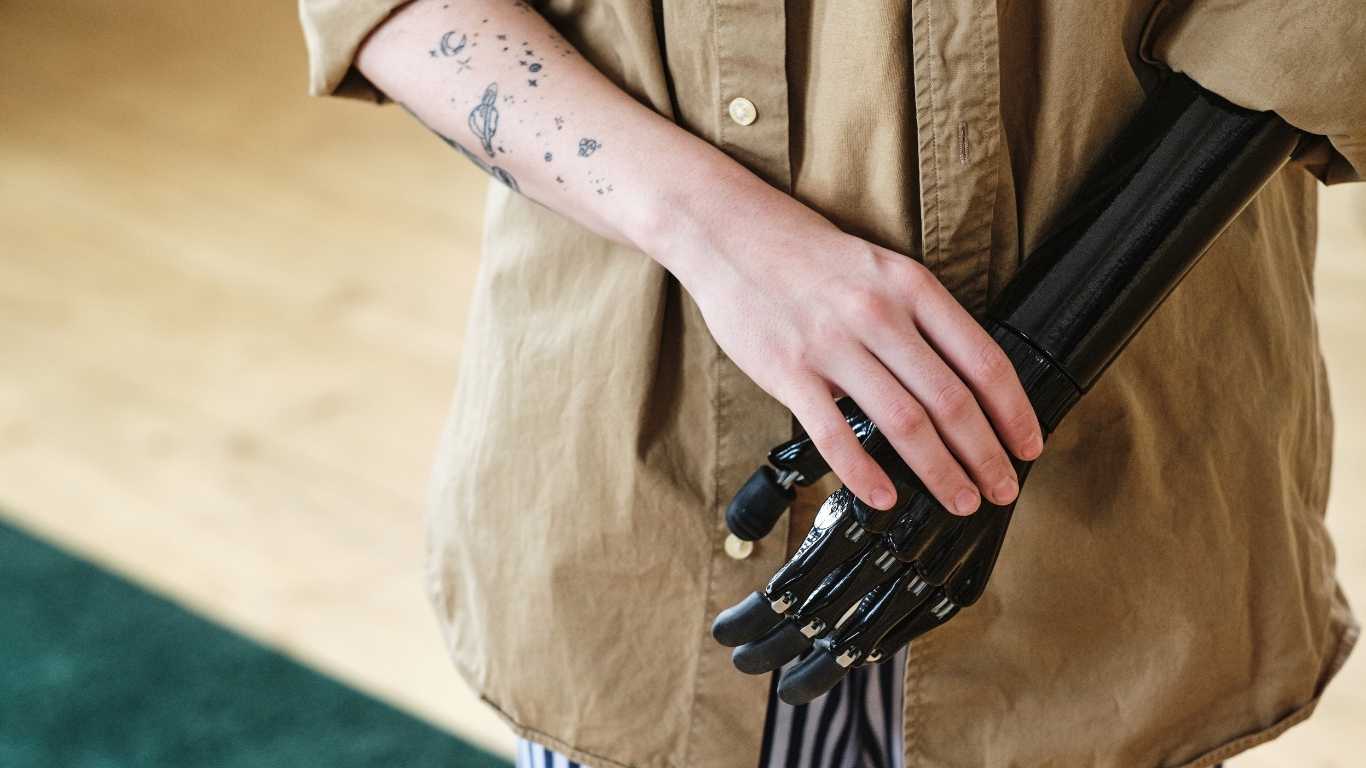
- Transradial or transhumeral: These vary from body-powered prostheses that employ cables and harnesses to myoelectric prosthetic limbs that utilize muscle signals to operate a prosthetic hand or wrist.
- Wear and remove the prosthetic properly and securely.
- Understand how to sit, stand, and walk with the altered center of gravity.
- Work on balance, climbing stairs, entering and exiting chairs, and moving over uneven ground.
- For upper-limb prosthetics, relearn coordination for everyday activities such as eating, dressing, using a phone, and transporting items.
- Easy modifications such as adding grab bars, taking out throw rugs, or utilizing a ramp can enhance safety in a home for walking with a prosthetic leg.
- A rollator or wheelchair may be necessary for extended distances or when a limb is painful or swollen, and many individuals utilize both a prosthetic limb and a wheelchair based on their circumstances.
- Occupational therapists can instruct on methods for dressing, bathing, and grooming that save energy and minimize stress on the remaining limb.
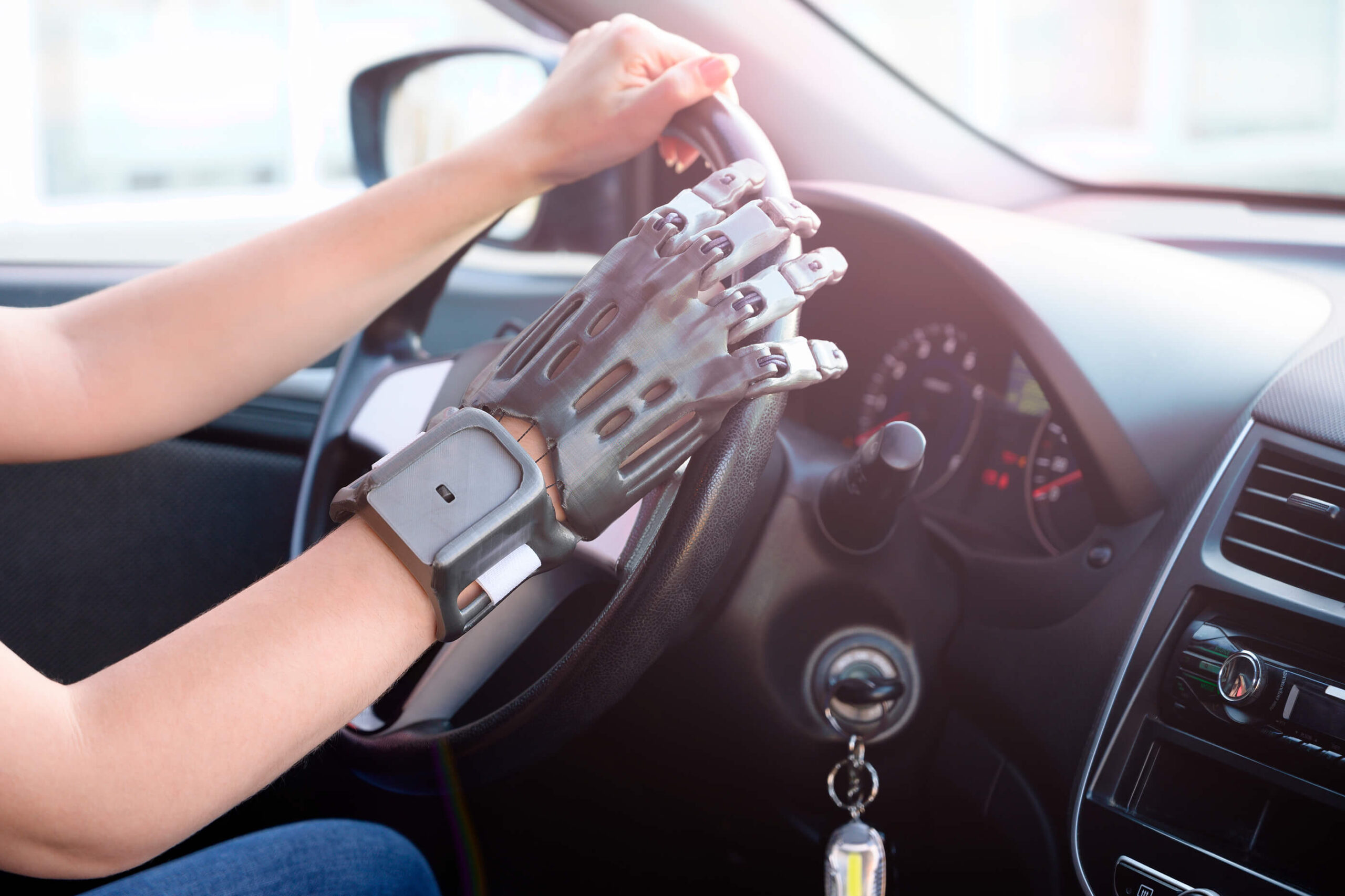
- Amputees with lower-limb prosthetics may need vehicle adjustments (like hand controls or pedal changes) and an assessment by a driving rehab expert to drive.
- Once individuals are physically prepared and receive medical clearance, many resume full-time work, school, sports, and hobbies.
- Support groups, virtual communities, and therapy can assist in coping with identity shifts, body perception, and interpersonal relationships.
Sitting and Standing Securely
How Prosthetic Fitting Works for New Amputees
After the residual limb is stable, the prosthetist (the expert who creates and adjusts prosthetic limbs) will:
The initial device is frequently a provisional or temporary prosthetic limb, enabling:
Once the limb reaches full maturity (typically in 3–6 months), you move to a permanent or long-term prosthetic limb that offers greater comfort and aligns better with your lifestyle and activity level.
Categories of Prosthetic Limbs for a New Amputee to Consider
Prosthetic limbs (artificial limbs) are generally categorized into upper‑limb and lower‑limb prosthetics, with each category featuring various designs depending on functionality, control, and aesthetics.
Prosthetic Devices for the Upper Limbs
For new amputees, the prosthetist will assist in selecting a prosthetic limb that aligns with your activity level, strength, and ambitions, whether it’s walking securely, going back to work, or utilizing a prosthetic for everyday activities.
Understanding How to Operate a Prosthetic / Artificial Limb
Utilizing a prosthetic limb involves more than simply attaching the device; it necessitates training alongside a physical and/or occupational therapist to:
The prosthetist starts by recommending a wear schedule (such as beginning with 1–2 hours daily and progressively increasing) to allow the skin and limb to adapt without developing blisters or discomfort. Routine follow-up appointments with the prosthetist are common for adjusting the socket, altering alignment, and replacing parts as the limb evolves or components degrade.
Everyday Experiences with a Prosthetic Limb
Over time, the majority of individuals incorporate the prosthetic limb into their daily habits. Success relies on:
Adaptations for Home and Mobility
Dressing, Washing, and Driving
Employment, Social Life, and Mental Well-being
Feeling frustrated on challenging “bad limb” days is common; patience, rest, and open dialogue with the rehab team are essential for long-term success.
The Importance of Professional Prosthetic Care
Effective prosthetic care goes beyond the device; it involves individualized assistance, correct fitting, and continual support. Prosthetic1 emphasizes extensive prosthetic and orthotic services, leveraging knowledge, expertise, and cutting-edge technology to deliver top-quality artificial limbs, cozy sockets, and quick processing times.
At Prosthetic1, new amputees benefit from a caring, collaborative approach, as the prosthetist collaborates closely with the patient’s physician and physical therapist to guarantee the prosthetic limb fits properly, operates dependably, and matches the individual’s lifestyle and long-term aspirations.
Final Thoughts
Prosthetic basics for recent amputees involve more than just the equipment; they encompass recovery, relearning mobility, and adjusting to a new reality with assurance. Recovery requires time, dedication, and assistance, but with advanced prosthetic devices and a solid rehabilitation team, numerous individuals not only walk on their own but also resume employment, driving, athletics, and a dynamic lifestyle.
You are not alone in this experience; amputation marks the beginning, not the conclusion. Grasping the fundamentals of prosthetics, getting ready appropriately, and collaborating with skilled experts such as those at Prosthetic1 can lead to establishing a robust, self-sufficient future with a prosthetic limb.