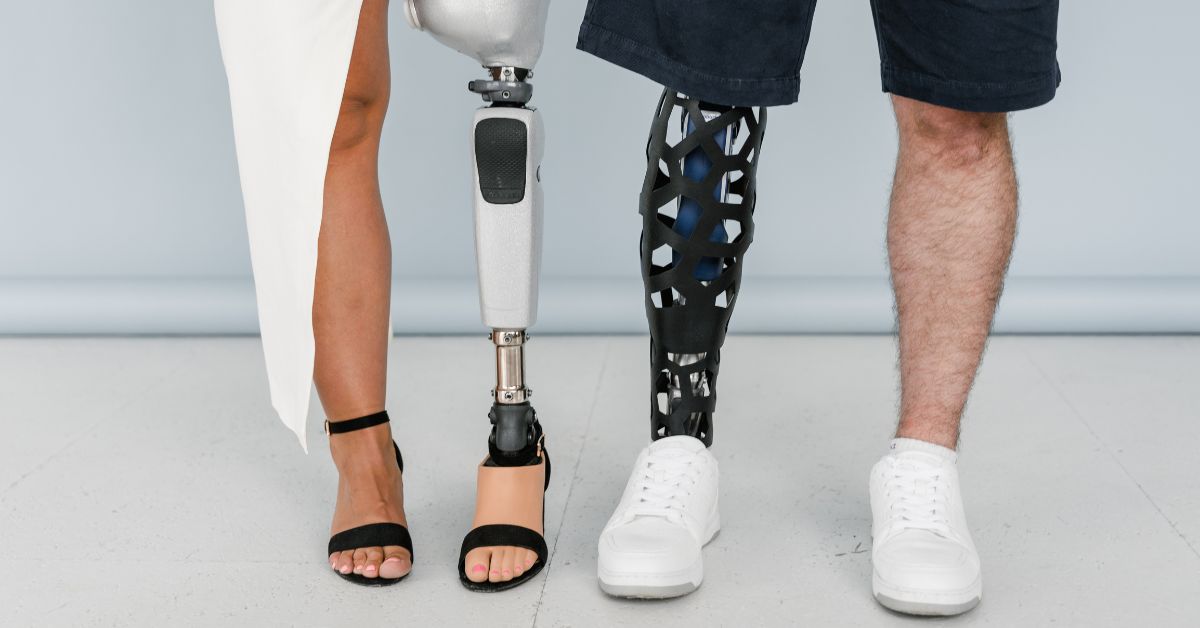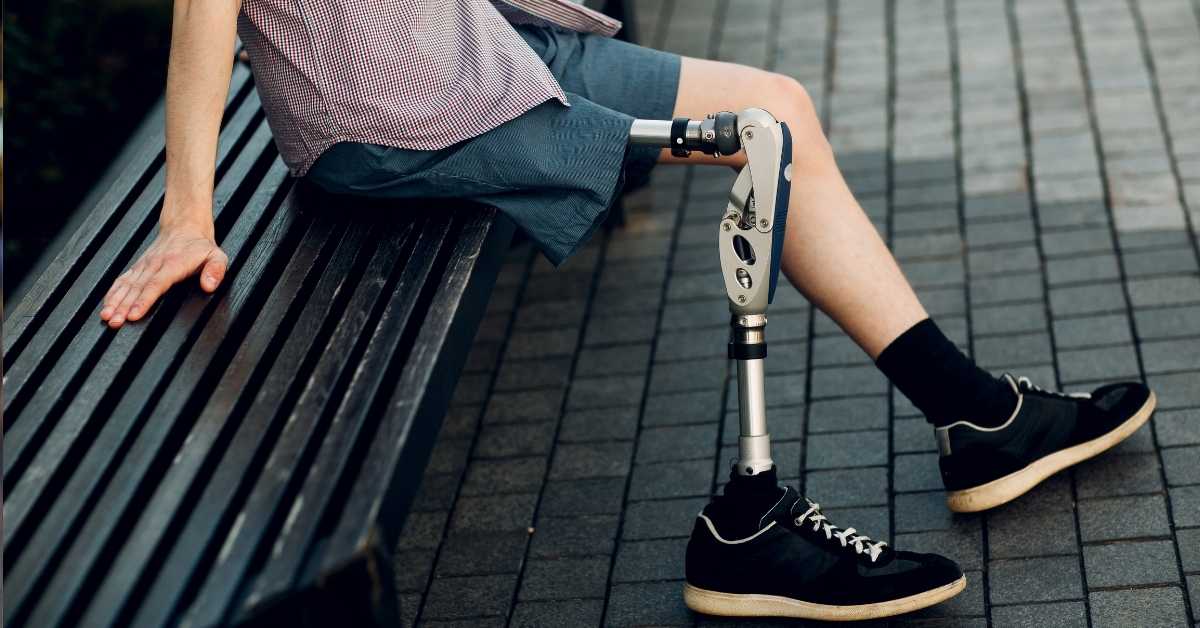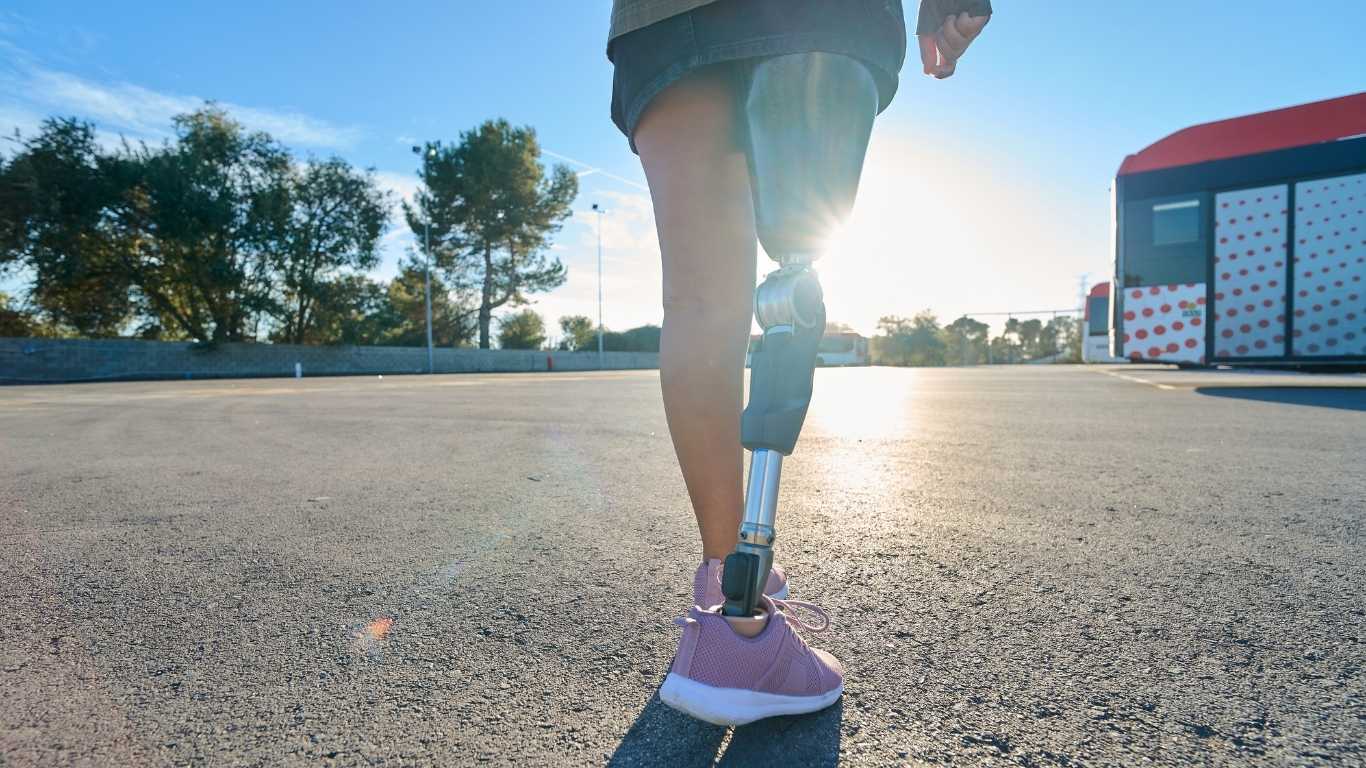

In a world where technology evolves faster than ever, innovations in prosthetics stand out as truly life-changing. For decades, prosthetic arms were basic tools with limited movement and minimal comfort. Today, they combine biomechanics, robotics, sensory engineering, and even AI to create highly functional artificial limbs that restore independence and confidence.
If you’ve ever wondered how prosthetic arms work, what they’re made of, or how advanced modern bionic limbs really are, this guide breaks it all down in a simple, engaging, and user-friendly way. Whether you’re researching for yourself, a loved one, or educational interest, you’ll find everything you need to know about prosthetic arms, how prosthetic limbs work, and how users control these incredible devices.
What Exactly Is a Prosthetic Arm?
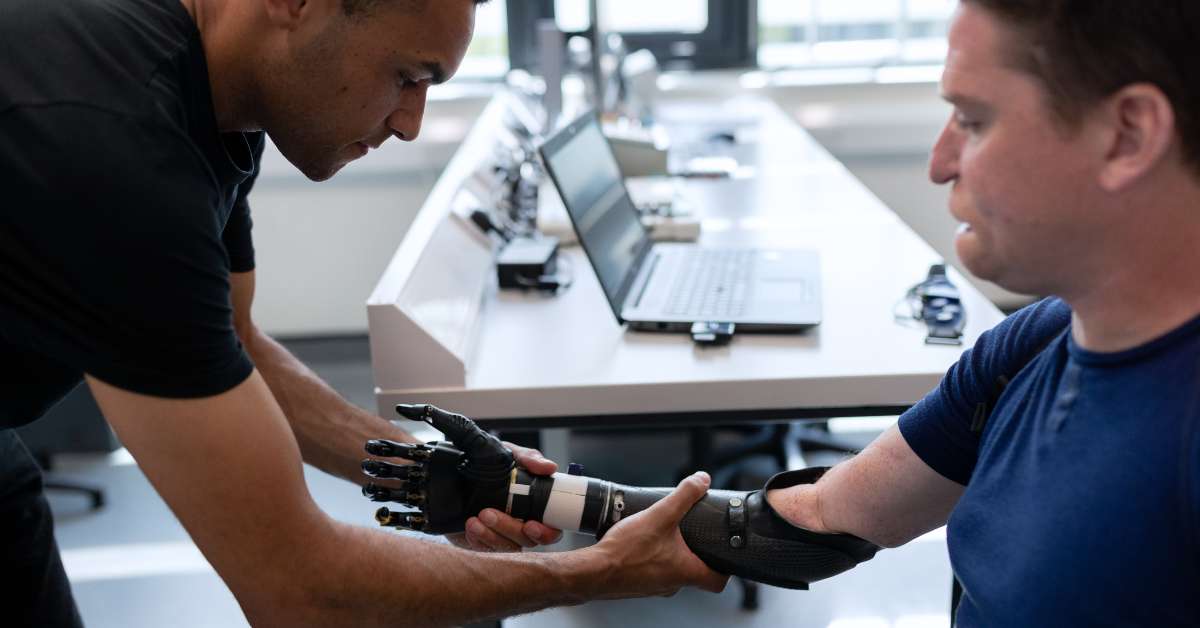
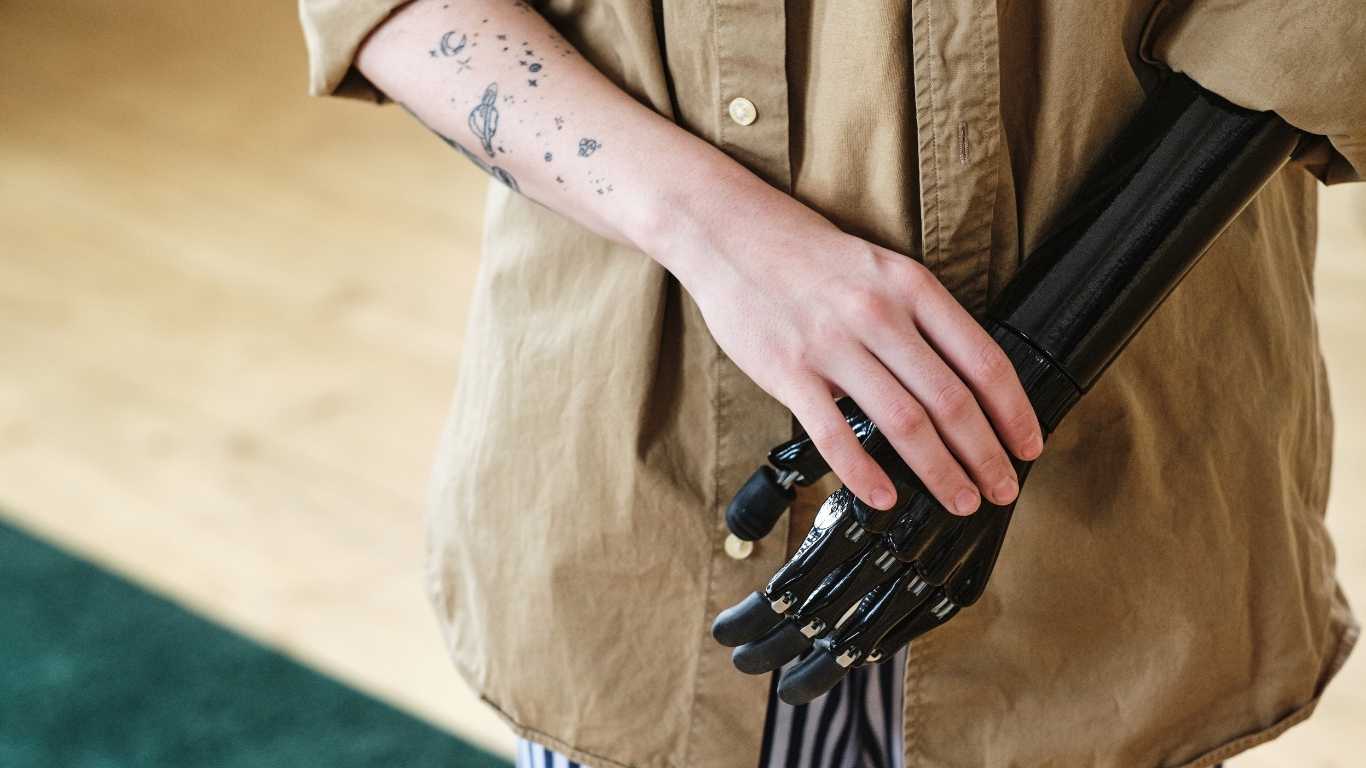
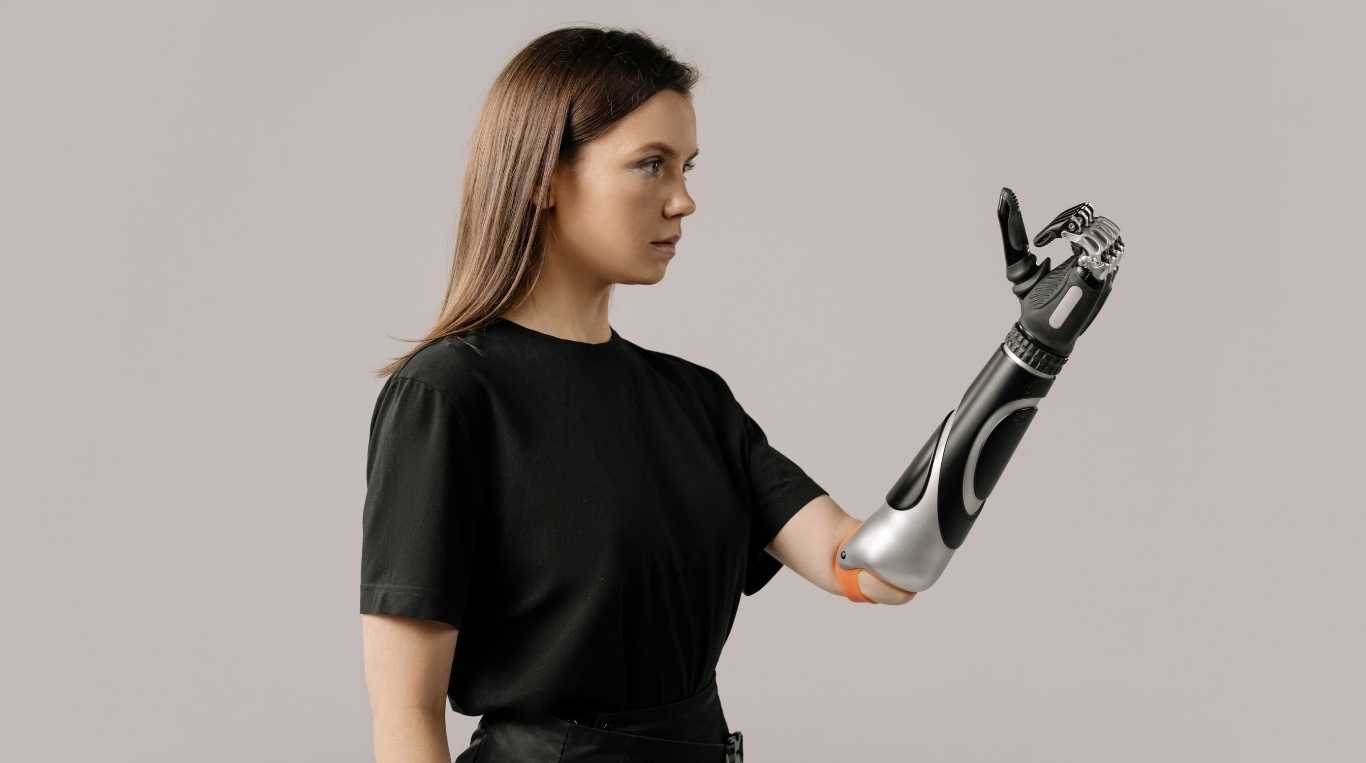
A prosthetic arm is an artificial replacement for a missing upper limb. It can replace the hand, wrist, elbow, or the entire arm depending on the level of limb loss. Today’s arm prosthetics are far more than cosmetic replicas, they’re engineered tools designed to mimic natural movements like grasping, lifting, rotating, and even delicate tasks such as typing or holding a cup.
Prosthetic arms typically fall into four categories:
- Passive prosthetic arms: Mostly cosmetic, limited function
- Body-powered prosthetic arms: Uses cables and harness systems
- Myoelectric prosthetic arms: Controlled by muscle signals
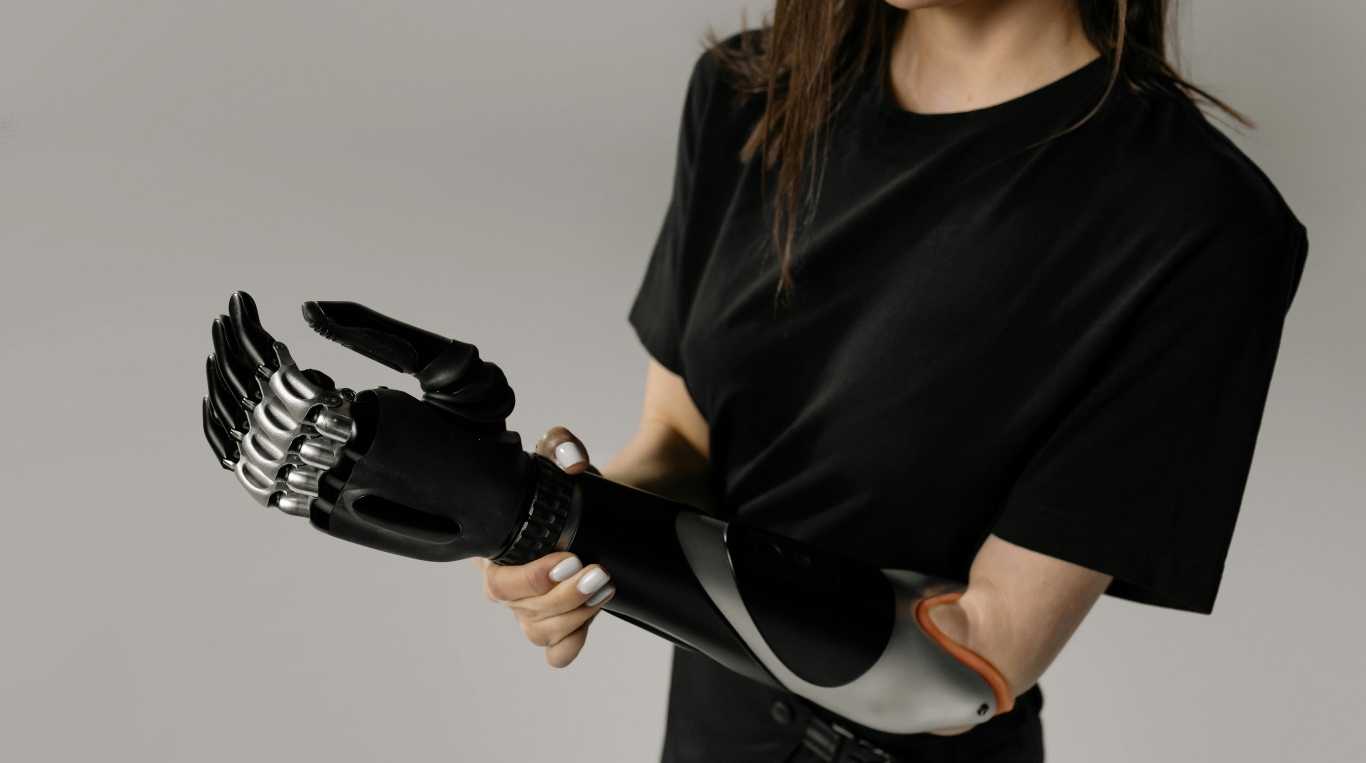
- Bionic or robotic prosthetic arms: The most advanced, offering multi-joint function and precision
Each type works differently, but all share the same mission: to restore natural movement as closely as possible.
The Science Behind How Prosthetic Limbs Work
Before diving deep into arm-specific devices, it helps to understand how prosthetic limbs work in general.
Modern prosthetic limbs combine:
- Mechanical engineering – for joint movement
- Electronics and sensors – for motion control
- Materials science – for strength and comfort
- Human physiology – to interpret user input
The goal is to create an extension of the body that feels intuitive and responsive. Some prostheses rely on muscle contractions, others on nerve signals, and some simply on manual movement.
The real magic happens in the connection between human intention and mechanical action.
How Do Prosthetic Arms Work? A Step-By-Step Breakdown
Understanding how prosthetic arms work begins with knowing the core components that make them function.
1. The Socket: The Body-Prosthetic Connection
The socket is the custom-made interface between the user’s residual limb and the prosthetic device. It must fit perfectly to ensure:
- Comfort
- Stability
- Efficient control
- Prevention of skin irritation
Modern sockets may include gel liners or vacuum systems to enhance support and reduce friction.
2. The Control System: How Movement Happens
There are several ways a user can control a prosthetic arm:
A. Body-Powered Control System
This is one of the oldest and most reliable systems.
How it works:
- A harness is worn around the shoulders.
- Cables attach the arm prosthetic to the harness.
- Movement of the shoulder or upper body pulls the cable.
- The pulling motion triggers the hand or arm to move.
Pros: Affordable, durable, low maintenance
Cons: Requires physical effort, limited to simple movements
B. Myoelectric Control System
This is where things get exciting and more high-tech.
How do myoelectric prosthetic hands work?
Small electrodes are placed on the skin over the residual limb. When the user tightens specific muscles, electrical signals (called EMG signals) are generated.
These signals are sent to the prosthetic arm’s controller, which interprets them to perform actions like:
- Opening the hand
- Closing the hand
- Rotating the wrist
- Bending the elbow
Pros: Natural-looking movement, greater control
Cons: More expensive, requires battery power and upkeep
C. Bionic or Robotic Control System
These advanced prosthetics take things a step further.
Some bionic arms use:
- Pattern recognition software
- AI-driven motion prediction
- Direct nerve interface
- Brain-computer interfaces (BCI)
With nerve-based control, electrodes are implanted into the user’s nerves. When they “think” about moving their hand, the prosthetic interprets the nerve signals and executes the command.
It’s as close as we have come to recreating natural limb movement.
Pros: Highly functional, intuitive, extremely precise
Cons: Very expensive, requires specialist training and fitting
3. The Terminal Device: The Hand or Hook
This is the part responsible for everyday tasks. Terminal devices include:
A. Hooks
- Lightweight
- Durable
- High precision
- Still widely used in body-powered systems
B. Prosthetic Handss
Modern prosthetic hands can:
- Open and close
- Pinch objects
- Grip with different patterns
- Mimic realistic skin appearance
Advanced models have individually moving fingers!
C. Specialized Hand Attachments
For hobbies or work, users can swap the terminal device, choosing attachments for:
- Sports
- Cooking
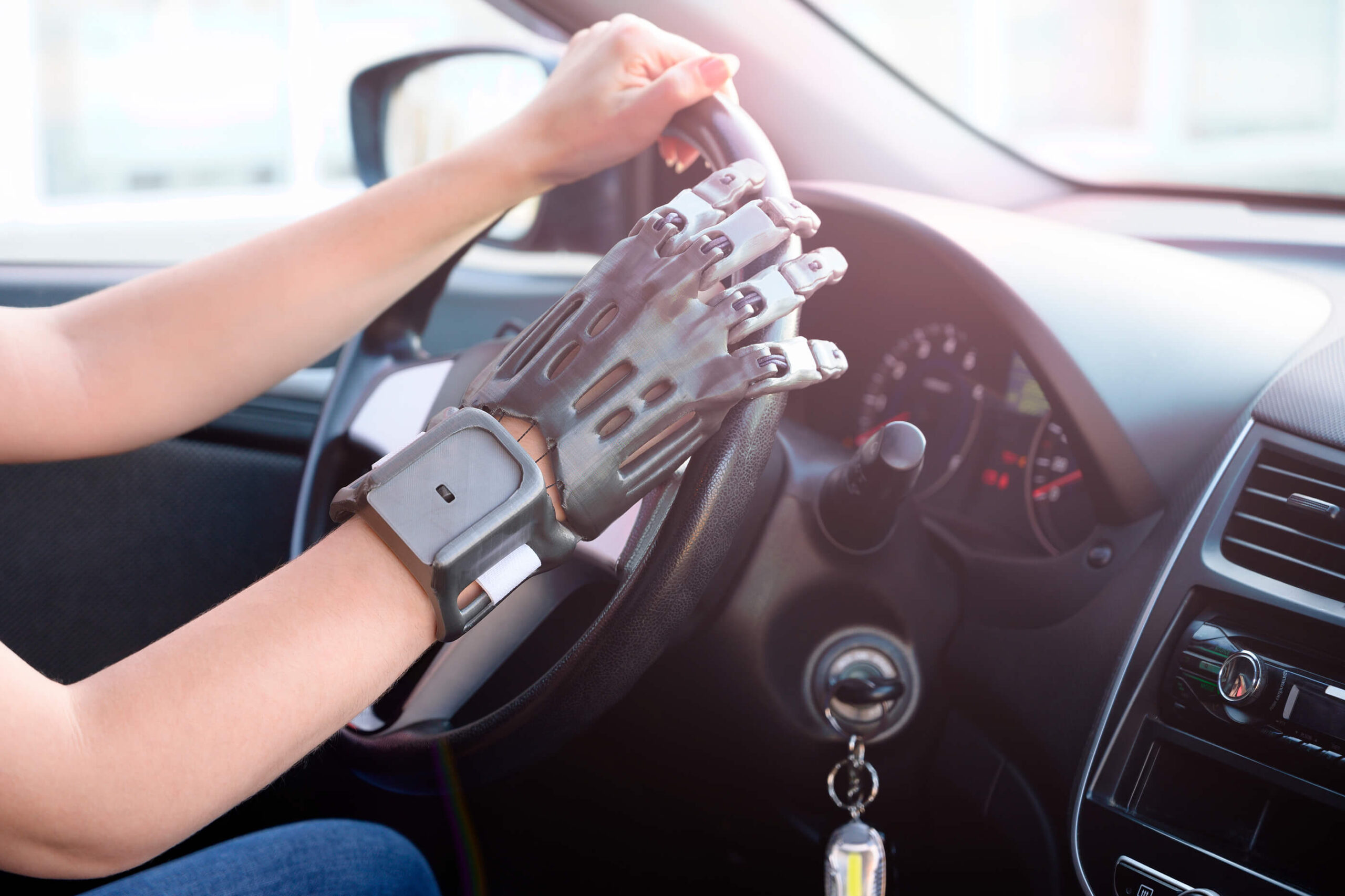
- Driving
- Typing
- Weightlifting
- Music
This versatility makes prosthetic arms incredibly adaptable to different lifestyles.
4. Joints: The Elbow and Wrist Mechanisms
Depending on the prosthesis, joints may be:
- Passive – manually positioned
- Mechanical – cable-activated
- Myoelectric – muscle-controlled
- Robotic – AI or sensor-controlled
Advanced prosthetic arms allow:
- Wrist rotation
- Elbow flexion
- Multi-direction movement
- Grip adjustment
This creates a more fluid, natural range of motion.
Read More How to Care for Your Prosthetic
How Do Prosthetic Hands Work?
People often ask specifically about how prosthetic hands work, because the hand is the most complex part of the arm to replicate.
Here’s how modern prosthetic hands function:
1. Sensors detect muscle or nerve signals
The hand receives input either from electrodes on the skin or implanted sensors.
2. The processor interprets the input
A microprocessor inside the prosthetic hand analyzes the signal and decides what movement is intended.
3. Motors activate the fingers or grip pattern
Each finger may have its own motor. Grip modes include:
- Power grip
- Pinch grip
- Tripod grip
- Finger point
- Key grip
4. The hand adjusts force applied to objects
Advanced models have sensors that prevent crushing delicate items like paper cups or fruit.
The complexity and precision of prosthetic hand technology are what make modern prosthetics feel so close to natural.
Control Technologies: The Secret Behind Lifelike Movement
One of the biggest breakthroughs in prosthetics has been improved control systems.
1. Myoelectric EMG Control
Interprets muscle electrical activity.
2. Pattern Recognition
Learns specific patterns of muscle activity and maps them to different movements.
3. Targeted Muscle Reinnervation (TMR)
Surgeons reroute nerves to different muscles to create stronger, clearer signals for prosthetic control.
4. Brain-Computer Interfaces
Still experimental but promising:
- Electrodes read brain signals directly
- The prosthetic responds in real time
- Users can feel sensations through sensory feedback systems
This is the future of how prosthetic limbs work more intuitively, connected, and lifelike.
Materials Used in Arm Prosthetics
Modern arm prosthetics must be lightweight yet strong. Common materials include:
- Carbon fiber – light and strong
- Titanium – durable and hypoallergenic
- Silicone – natural appearance, comfortable
- Plastics and composites – economical and versatile
Prosthetic hands often use soft silicone layers to mimic skin texture and improve grip.
Read More How Do Amputees Drive with a Prosthesis?
Advantages of Modern Prosthetic Arms
- Improved independence
- Stronger, more precise grip
- Better appearance and confidence
- Greater comfort and mobility
- Custom attachments for any activity
- AI-powered learning for easier control
Today’s prostheses aren’t just replacements—they’re enhancements.
Challenges and Limitations
While prosthetic arms continue to evolve, some challenges remain:
- High cost of advanced models
- Maintenance and battery requirements
- Learning curve for new users
- Limited sensory feedback compared to natural limbs
Researchers continue to work on improvements to address these limitations.
Conclusion: How Do Prosthetic Arms Work?
So, how do prosthetic arms work?
They function through a combination of:
- Mechanical engineering
- Muscle or nerve signals
- Advanced electronics
- Smart sensors
- AI-powered movement control
From simple body-powered devices to high-tech bionic arms, today’s prosthetics empower people to live fuller, more independent lives.
Understanding how prosthetic hands work, how prosthetic limbs work, and the full scope of arm prosthetics gives us a deeper appreciation for the incredible blend of human biology and modern technology.
If you’re exploring prosthetics for yourself or someone else, you’re entering a world filled with innovation, hope, and limitless possibilities.