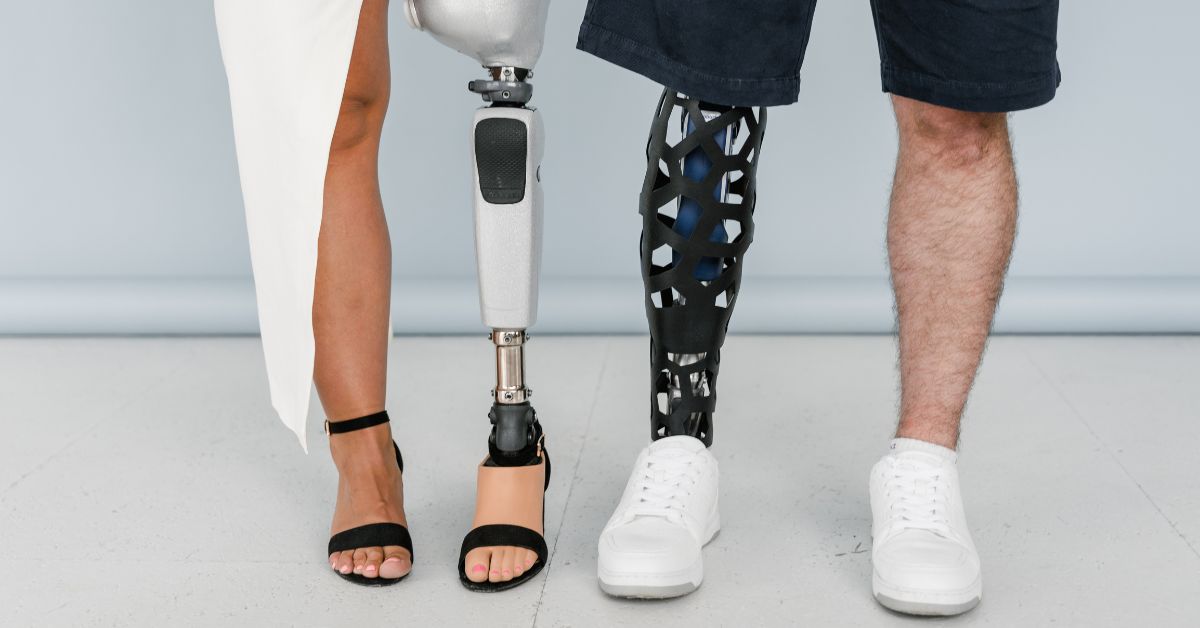

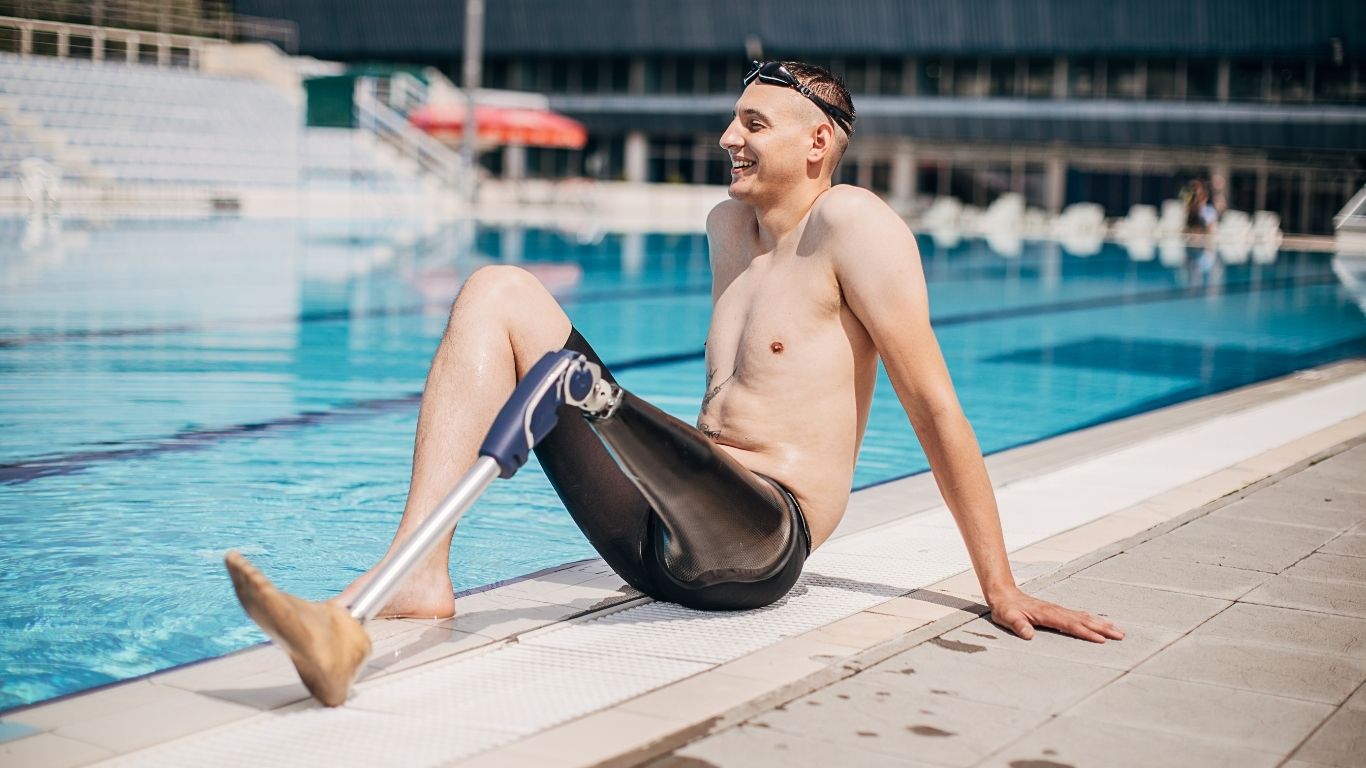
Swimming is one of the most popular low-impact exercises for people with limb loss. Many amputees enjoy the freedom and movement that water provides, but a common question comes up before getting in the pool or ocean: Can you swim with a prosthetic leg?
The short answer is yes. Many people can swim safely with a prosthetic leg. It depends on the prosthetic’s design and the materials used to build it. Some prosthetic legs are specifically designed for water activities, while others may tolerate occasional exposure if properly maintained.
However, not all prosthetic devices are built the same. Certain components, especially those with electronic systems, may not be suitable for swimming. Understanding your prosthetic type and following proper care guidelines can help you enjoy swimming while protecting your device.
In this guide, we will explain when it is safe to swim with a prosthetic leg, which prosthetic types work best in water, and how to care for your prosthetic after swimming.
Can You Swim While Wearing a Prosthetic Leg?
Many modern prosthetic legs are designed to handle everyday exposure to moisture. This means that some prosthetics can tolerate activities like walking in the rain, showering, or even light water activities.
Swimming with a prosthetic leg is possible for many amputees, especially if the prosthetic is designed for active use. Certain sports or activity-specific prosthetics are built to withstand water exposure and allow users to move comfortably in aquatic environments.
That said, not every prosthetic should be used in water. Some prosthetic legs contain sensitive components such as microprocessors or electronic knee systems. These advanced devices help with balance and movement but may not be waterproof. Submerging them in water can damage the electronics and lead to costly repairs.
Water can also change how a prosthetic fits and feels. Movement in water is different from movement on land, and buoyancy can affect balance and stability. For this reason, some people prefer to swim without their prosthetic leg, especially once they are fully in the water.
Before swimming with your prosthetic, it is important to determine whether your specific device is safe for use in water.
Are Prosthetic Legs Waterproof?
One of the biggest misconceptions about prosthetic limbs is that they are all waterproof. In reality, many prosthetics are water-resistant rather than fully waterproof.
Water-resistant prosthetics can handle occasional moisture or brief exposure to water, but they are not designed to be submerged for long periods. Extended contact with water can still cause corrosion or wear on certain components.
Many prosthetic legs are built using durable materials such as titanium, stainless steel, and aluminum. These materials resist rust and corrosion better than traditional metals, which helps protect the device in humid or wet environments.
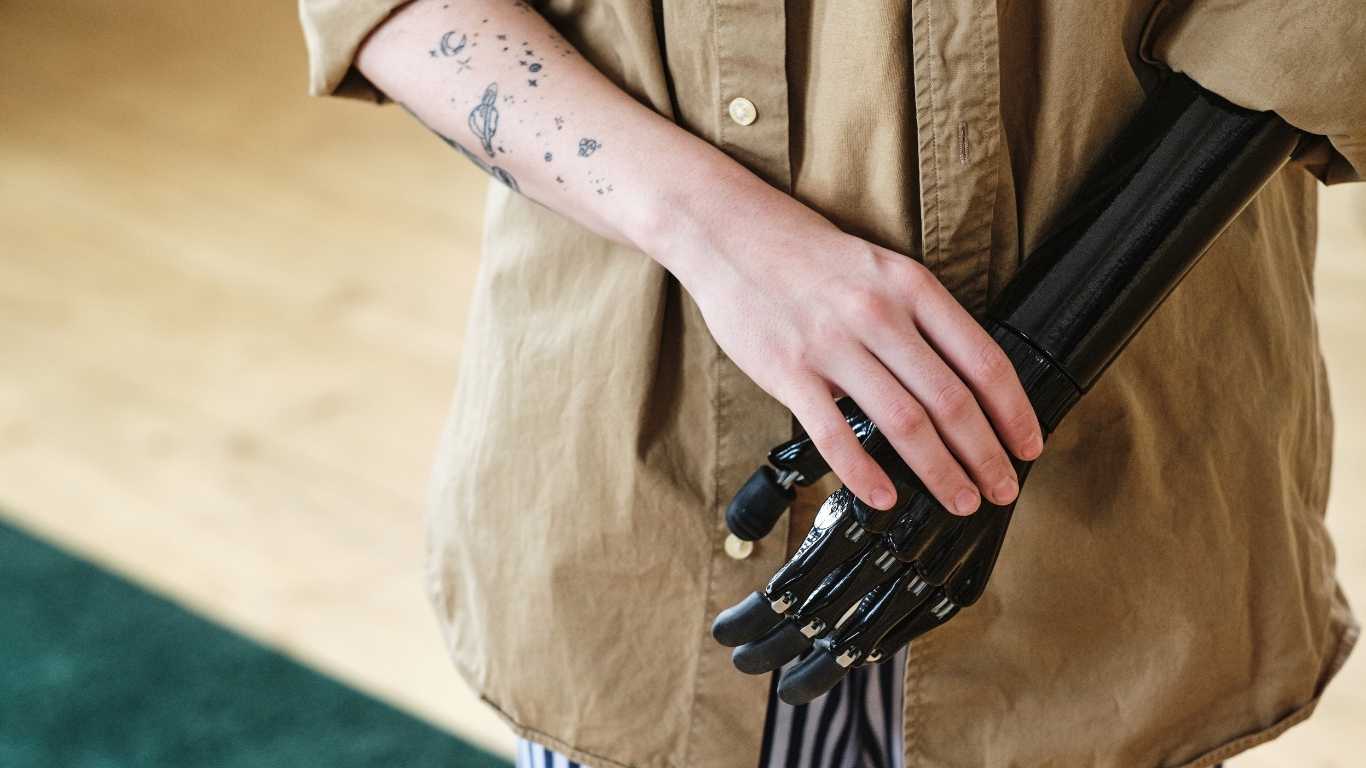
However, prosthetics that include electronic systems, sensors, or microprocessor-controlled joints may be vulnerable to water damage. These advanced components are typically sealed but not always designed for swimming.
Because prosthetic designs vary widely, it is always best to confirm with your prosthetist whether your specific device is safe for water exposure.
Types of Prosthetic Legs Used for Swimming
Swimming Prosthetic Legs
Some prosthetics are specifically designed for aquatic activities. These swimming prosthetics are made from corrosion-resistant materials and feature simple mechanical designs that enable them to function well in water.
They are often lighter and more flexible than everyday prosthetics, making movement through water easier. Many also allow for improved kicking or a more natural swimming motion.
Swimming prosthetics are ideal for individuals who spend a lot of time in pools, lakes, or oceans and want a device that performs reliably in water.
Waterproof Covers for Prosthetics
Waterproof covers are protective sleeves that can be placed over a prosthetic limb. These covers help keep water away from sensitive components and provide an extra layer of protection.
They are commonly used by people who want to swim occasionally but do not want to invest in a dedicated swimming prosthetic.
While waterproof covers can reduce the risk of water damage, they are not always completely sealed. Small leaks may still occur, so users should inspect the cover and prosthetic after swimming.
Using an Older Prosthetic for Swimming
Some amputees choose to use an older or backup prosthetic for water activities. This approach allows them to enjoy swimming without risking damage to their primary everyday prosthetic.
Older prosthetics may not provide the same level of performance or comfort, but they can be a practical option for casual swimming.
Comparison Table
| Option | Best For | Limitations |
|---|---|---|
| Swimming Prosthetic | Frequent swimmers | Higher cost |
| Waterproof Cover | Occasional swimming | May not fully seal |
| Older Prosthetic | Casual swimming | Less advanced design |
Swimming With vs Without a Prosthetic Leg
Some amputees prefer to swim while wearing their prosthetic leg, while others remove it before entering the water. Both approaches can work, depending on personal comfort and mobility.
Wearing a prosthetic leg can make it easier to walk around pool decks, docks, or beaches before entering the water. It may also help with balance when stepping into shallow water.
However, once fully submerged, some swimmers find that removing the prosthetic improves their movement. Water naturally provides buoyancy, making it easier to stay balanced even without a prosthetic limb.
Swimming without a prosthetic can also reduce drag in the water and allow for a more natural swimming motion.
Ultimately, the decision depends on personal preference, swimming ability, and the type of prosthetic being used.
Swimming in Pools, Oceans, and Lakes
| Environment | Consideration |
|---|---|
| Pools | Chlorine exposure |
| Ocean | Saltwater corrosion |
| Lakes | Debris and bacteria |
After swimming in any of these environments, it is important to rinse the prosthetic with clean water and dry it thoroughly.
Tips for Swimming Safely With a Prosthetic Leg
If you plan to swim with a prosthetic leg, a few precautions can help ensure a safe and enjoyable experience.
- Talk to your prosthetist before swimming with your prosthetic device.
- Confirm whether your prosthetic components are water-resistant or waterproof.
- Enter the water slowly to adjust to movement and balance.
- Be cautious on slippery surfaces around pools or docks.
- Rinse the prosthetic with fresh water after swimming.
- Allow all liners and socks to dry completely before wearing the prosthetic again.
Following these simple steps can help protect your prosthetic and improve your comfort while swimming.
How to Care for Your Prosthetic After Swimming
Proper care after swimming is essential to maintain the condition of your prosthetic leg.
Start by rinsing the prosthetic with clean, fresh water to remove chlorine, salt, sand, or other debris. This step helps prevent corrosion and buildup on metal components.
After rinsing, dry the prosthetic thoroughly using a clean towel. Pay attention to joints, connectors, and areas where water may collect.
Next, inspect the device for any signs of wear or damage. Look for loose parts, corrosion, or changes in how the prosthetic fits.
Liners, socks, and suspension systems should also be cleaned and allowed to dry completely before reuse. Moisture trapped inside these components can cause skin irritation or bacterial growth.
Regular maintenance can extend the life of your prosthetic and keep it functioning safely.
When to Talk to a Prosthetist About Swimming
If swimming is an important activity for you, discussing it with a prosthetist can be helpful.
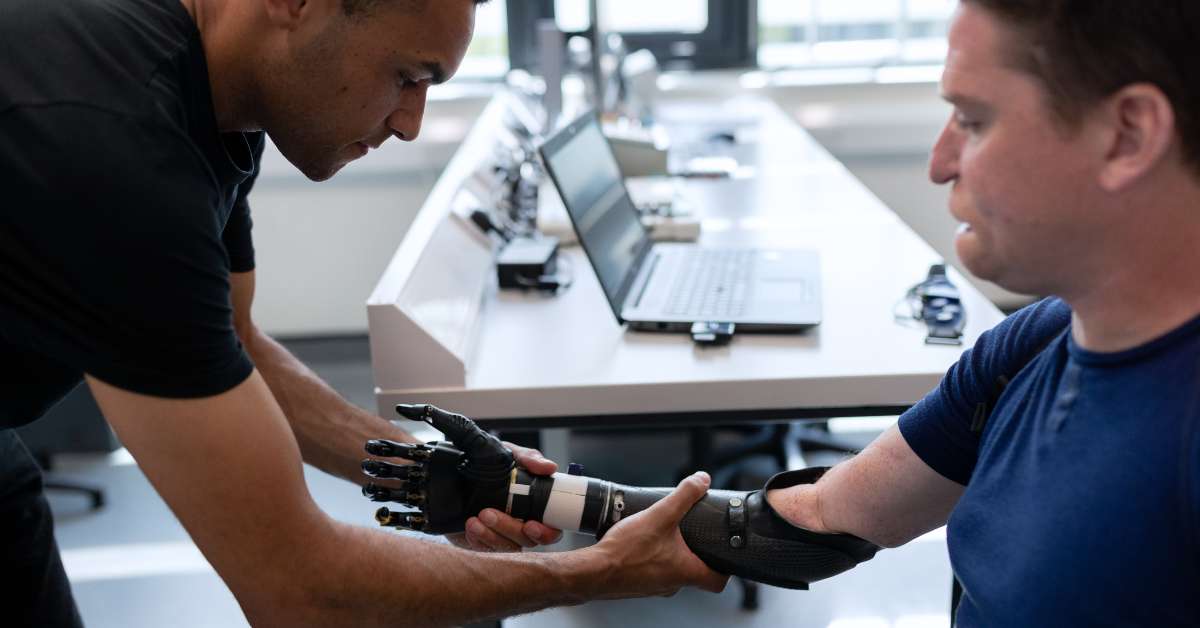
A prosthetist can evaluate whether your current prosthetic is suitable for use in water and recommend adjustments if necessary. In some cases, they may suggest a swimming-specific prosthetic designed for aquatic environments.
You may also want to consult a prosthetist if you experience discomfort, instability, or concerns about corrosion after swimming.
Professional guidance ensures that your prosthetic supports both your mobility and your lifestyle.
Frequently Asked Questions
Can prosthetic legs rust in water?
Some metal components can corrode over time when repeatedly exposed to water, especially saltwater. Rinsing and drying the prosthetic after swimming helps prevent damage.
Can you swim in the ocean with a prosthetic leg?
Yes, but saltwater can increase the risk of corrosion. Cleaning the prosthetic thoroughly after swimming is important.
Do you need to remove a prosthetic leg before swimming?
Not always. Some people swim with their prosthetic, while others remove it once they enter the water.
Are swimming prosthetics expensive?
Swimming prosthetics are specialized devices and can be more expensive than standard prosthetics. However, they are designed to perform safely in water.
Can children with prosthetic legs swim?
Yes. Swimming is often encouraged for children with prosthetic limbs because it helps build strength, coordination, and confidence.
Read more: Lifelike Prosthetics: When Technology Becomes Part of You
Conclusion
Swimming can be a safe and enjoyable activity for many people with prosthetic legs. Whether you choose to swim with your prosthetic or remove it before entering the water, understanding how your device responds to water is important for both safety and comfort.
Different prosthetic designs are built for different lifestyles, and proper care after swimming can help protect your device from long-term damage. With the right precautions and guidance, many amputees can confidently enjoy pools, lakes, and oceans as part of an active life.
If swimming or other water activities are important to you, working with an experienced prosthetist can help you find the right solution. At Prosthetic One, our team works closely with patients to recommend prosthetic options that support their mobility, lifestyle, and personal goals.
If you have questions about swimming with a prosthetic leg or are interested in exploring activity-friendly prosthetic options, contact Prosthetic One to schedule a consultation and learn which solutions may work best for you.